
What is a Modern Steakhouse? Exploring the Concept
What is a Modern Steakhouse? Exploring the Concept
A modern steakhouse is a chef-driven dining concept that centers premium beef expertise within a broader culinary identity, incorporating seasonal small plates, refined seafood, intentional design, and earned culinary recognition.
This guide covers what defines the modern steakhouse today, its core menu offerings, how it differs from fine dining, who dines there, how it balances sophistication with approachability, the credentials that shape its reputation, and how location influences the concept.
What separates a modern steakhouse from its traditional predecessor is both philosophy and scope. Where the classic chophouse focused on beef and formality, the modern version builds its identity around a named chef whose training and awards anchor every sourcing and menu decision.
The core menu reflects that expanded vision. Dry-aged beef programs, using controlled aging of 28 to 55 days to produce concentrated, intensely nutty flavor, anchor the protein side, while refined seafood preparations and rotating seasonal small plates earn equal standing on the plate.
Fine dining demands deference to ceremony; a modern steakhouse replaces that with directness. Premium craft stays, but the environment invites guests in rather than holding them at a distance, serving both celebration diners and culinary-curious regulars.
Credentials reinforce the promise. Michelin Guide listings and James Beard recognition function as independent quality signals that guests consult before booking, not after.
Location shapes the concept too. In Coral Gables, a city with more than 100 restaurants and an established high-end hospitality market, a modern steakhouse must perform at the level Beauty & the Butcher delivers: chef-driven, Michelin-recognized, and built around both the butcher's craft and the refined beauty of what surrounds it.
What Defines a Modern Steakhouse Today?
A modern steakhouse is a chef-driven dining concept that balances premium meat expertise with refined seasonal offerings, intentional design, and a distinct culinary identity. The sections below explore how it differs from traditional steakhouses, the role the chef plays, and how ambiance shapes the experience.
How Does a Modern Steakhouse Differ From a Traditional Steakhouse?
A modern steakhouse differs from a traditional steakhouse in its scope, culinary philosophy, and guest experience. Where the classic chophouse focused almost exclusively on beef, the modern iteration expands into seasonal small plates, refined seafood, creative cocktails, and chef-driven menus that reflect a broader culinary vision.
Traditional steakhouses prioritized consistency and formality. By contrast, modern concepts use attributes like Wagyu sourcing, dry-aged beef programs, and rotating menus to signal both technical expertise and creative ambition, confirming how far the category has shifted beyond beef alone.
What Role Does the Chef's Identity Play in a Modern Steakhouse?
The chef's identity plays a central role in defining a modern steakhouse's positioning, credibility, and creative direction. Unlike traditional steakhouses, where the house brand carried the concept, modern steakhouses are often built around a named chef whose training, awards, and culinary perspective become inseparable from the restaurant's identity.
This chef-driven model signals to guests that every element, from sourcing decisions to menu design, reflects deliberate expertise rather than formula. Recognition from institutions such as the James Beard Foundation, whose mission is to honor exceptional talent in the culinary arts, or a listing in the Michelin Guide reinforces that credibility publicly. A chef's reputation functions as a quality guarantee that no generic brand promise can replicate.
How Do Ambiance and Design Shape the Modern Steakhouse Experience?
Ambiance and design shape the modern steakhouse experience by communicating the restaurant's identity before a single dish arrives. Contemporary steakhouses use spatial design elements, such as open dining rooms, curated lighting, prominent bar programs, and visible dry-aging displays, to merge atmosphere with culinary storytelling.
This approach directly serves the guest's expectation of an elevated but welcoming environment. Beauty & the Butcher, for example, features an expansive modern dining room with seating for 160, including a 30-seat bar adorned with a display of dry-aged meats, where the physical space reinforces the restaurant's dual identity of refined craft and approachable energy. Design, done well, is not decoration; it is the first expression of a restaurant's culinary values.

What Are the Core Offerings of a Modern Steakhouse?
The core offerings of a modern steakhouse extend well beyond premium cuts, spanning dry-aged beef programs, refined seafood preparations, and rotating seasonal small plates. The sections below cover steak selection and preparation, dry-aging science, seafood integration, and how seasonal plates fit the broader menu.
How Are Steaks Selected and Prepared in a Modern Steakhouse?
Steaks in a modern steakhouse are selected based on grade, provenance, and aging method, with premium options such as Australian Wagyu, USDA Prime, and dry-aged porterhouse representing the range. Selection criteria typically include:
- Cut and muscle group: Tenderloin, ribeye, and porterhouse each deliver distinct texture and fat distribution.
- Provenance and breed: Australian Wagyu and American grain-fed beef offer different marbling profiles.
- Aging method: Dry-aged and wet-aged preparations produce meaningfully different flavor outcomes.
- Chef specification: Chef-driven programs set precise temperature targets and resting protocols.
The preparation method matters as much as sourcing. Serious steak programs treat butchery knowledge as a culinary discipline, not a back-of-house afterthought.
What Is Dry-Aged Beef and Why Does It Matter?
Dry-aged beef is beef that has been aged in a controlled refrigerated environment to develop concentrated flavor and improved tenderness. According to a review published in the Journal of Animal Science and Technology, dry aging holds beef carcasses or primal cuts for 28 to 55 days at 0° to 4 °C with 75 to 80% relative humidity, producing "more intense nutty and beefy flavor" through enzymatic and chemical breakdown.
The flavor concentration achieved through this process cannot be replicated by wet aging alone, making dry-aged beef a genuine differentiator on any serious steakhouse menu.
How Do Modern Steakhouses Approach Seafood and Non-Meat Dishes?
Modern steakhouses approach seafood and non-meat dishes as equal partners to their meat program, not secondary additions. Seafood selections commonly include preparations such as cold water oysters, Argentine red shrimp, and PEI mussels, each requiring distinct sourcing and technical skill. Vegetable preparations receive comparable culinary attention, reflecting a philosophy where the non-meat half of the menu earns its place independently. This balanced approach broadens appeal without diluting the steakhouse identity.
What Are Seasonal Small Plates and How Do They Fit the Modern Steakhouse Menu?
Seasonal small plates are rotating starter and shareable dishes built around peak-availability ingredients, used to add variety and culinary creativity to the modern steakhouse format. They serve several functions within the menu structure:
- Discovery: They give guests new reasons to return across different seasons.
- Showcase: They allow the kitchen to demonstrate range beyond protein cookery.
- Flexibility: They accommodate lighter appetites and group-sharing preferences.
- Ingredient integrity: They reflect what is genuinely fresh and market-available at each visit.
Seasonal rotation keeps a menu honest and positions the steakhouse as a chef-driven restaurant rather than a static format.
How Has American Steakhouse Culture Evolved Over Time?
American steakhouse culture has evolved from 19th-century chophouses into today's chef-driven, experience-focused dining destinations. This section covers the historical forces that shaped that transformation, including regionalism, standardization, and the shift toward culinary identity.
What Historical Trends Shaped the American Steakhouse?
The historical trends that shaped the American steakhouse include regionalism, standardization of the food supply, and the pursuit of culinary variety. According to Yale historian Paul Freedman, "every trend that affects American society has an impact on restaurants and customers, beginning with the first restaurants in the early 19th century." These three forces pushed steakhouses from functional meat-and-potatoes establishments into venues that reflect local identity and national food culture simultaneously. The tension between standardization and regional pride remains visible today in how modern steakhouses source ingredients and frame their menus.
How Did Steakhouse Menus Change Across Generations?
Steakhouse menus changed across generations by expanding well beyond beef to reflect broader shifts in American food culture. Early steakhouses offered fixed, protein-centered menus with little variation. Over time, guest expectations for diversity, seasonal ingredients, and chef-crafted preparations reshaped what a steakhouse menu looked like. Today, a contemporary steakhouse menu typically includes:
- Seasonal small plates and rotating starters
- Premium beef cuts alongside refined seafood preparations
- Vegetable-forward dishes that balance the protein focus
- Creative cocktail programs positioned as standalone offerings
This evolution mirrors the broader cultural shift from dining as function to dining as experience.
What Makes a Modern Steakhouse Different From a Fine Dining Restaurant?
A modern steakhouse differs from a fine dining restaurant primarily in concept focus, atmosphere, and accessibility. While fine dining emphasizes multi-course tasting menus and rigid formality, a modern steakhouse centers on premium proteins, chef-driven creativity, and an energetic yet welcoming environment. The sections below explore how classification, consumer spending, and market growth illuminate this distinction.
A Cornell Hospitality Quarterly framework notes that the U.S. restaurant industry currently has no standardized official classification, proposing four major classes: Luxury Restaurants, Fine-Dining Restaurants, Casual Restaurants, and Quick-Service Restaurants. A modern steakhouse occupies a deliberate middle ground, blending fine dining quality with a more convivial, approachable energy.
Fine dining typically demands deference to ceremony. A modern steakhouse, by contrast, invites guests into a space where exceptional craft is visible and social, not austere. The beef program, seasonal small plates, and chef identity replace the tasting-menu formality with something more direct and guest-centered.
According to the National Restaurant Association, the U.S. restaurant industry is expected to reach $1.5 trillion in sales in 2025, with growth driven by operators "finding the balance of value and experience for consumers." That balance is precisely the territory a modern steakhouse occupies: elevated execution without the emotional distance that fine dining can impose.
A November 2025 Prosper Insights & Analytics survey of 8,000 consumers found that average monthly restaurant spending totals $236.45, representing 4.4% of average income. Diners are selective with that budget, and a modern steakhouse competes directly for occasion spending that fine dining once dominated by offering comparable quality with greater warmth and flexibility.
Who Typically Dines at a Modern Steakhouse?
Modern steakhouses attract a diverse but intentional mix of guests, from those marking special milestones to curious food enthusiasts seeking chef-driven cuisine. The sections below explore how occasion diners and culinary-minded guests each find their place at the table.
How Do Modern Steakhouses Cater to Occasion Diners and Celebrations?
Modern steakhouses cater to occasion diners by offering an environment where elevated food, refined ambiance, and attentive service converge around a meaningful moment. Birthdays, anniversaries, promotions, and milestone dinners all benefit from the combination of impressive menus and a setting that feels genuinely celebratory rather than corporate.
According to a peer-reviewed restaurant-choice study published in the International Journal of Environmental Research and Public Health, word-of-mouth recommendation ranks as the top priority for diners choosing a restaurant for a celebration. This reflects how reputation and personal referral drive occasion dining decisions more than price alone.
For these guests, the modern steakhouse offers more than a meal. Premium proteins, seasonal small plates, a well-curated cocktail program, and flexible seating all signal that an evening has been thoughtfully designed around them.
How Do Modern Steakhouses Appeal to Food Enthusiasts and Culinary-Curious Guests?
Modern steakhouses appeal to food enthusiasts by centering the experience on chef identity, ingredient sourcing, and culinary technique rather than a static, traditional menu. Guests who follow award-winning chefs, seek Michelin-recognized restaurants, or want to explore preparations like dry-aged beef and refined seafood find the modern steakhouse format particularly rewarding.
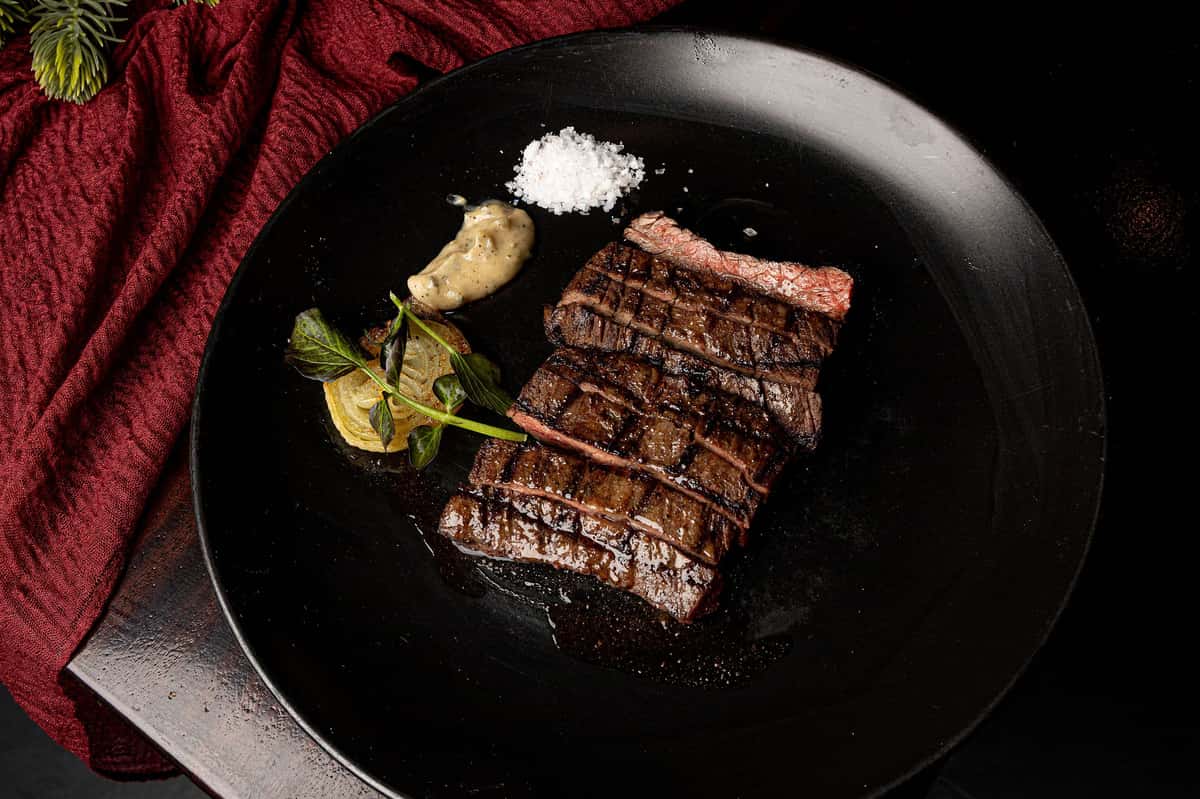
This audience values discovery: rotating seasonal menus, innovative small plates, and the visible craft behind premium cuts give them something new to explore with each visit. These guests are also drawn to transparency, wanting to understand why a 35-day dry-aged porterhouse tastes differently from a conventional cut or how a chef's background shapes each dish. A modern steakhouse that communicates its culinary philosophy clearly earns genuine loyalty from this segment.
How Do Modern Steakhouses Balance Sophistication With Approachability?
Modern steakhouses balance sophistication with approachability by pairing premium offerings with a welcoming atmosphere that never feels intimidating. The following sections explore how menu design and service style each contribute to this balance.
How Does Menu Design Reflect an Approachable Yet Elevated Experience?
Menu design reflects an approachable yet elevated experience by presenting premium ingredients through familiar formats that guests can navigate confidently. Accessible entry points, such as seasonal small plates and shareable starters, lower the barrier to exploration without reducing quality. A well-structured menu signals expertise without requiring culinary knowledge to enjoy it. Programs like Beauty & the Butcher's "Taste The Gables" further reinforce this philosophy, offering curated selections at accessible price points so a broader audience can experience chef-driven cuisine. This approach treats inclusivity as a design principle, not an afterthought.
How Does Service Style Differ in a Modern Steakhouse Versus a Classic One?
Service style in a modern steakhouse differs from a classic one primarily in tone: knowledgeable but conversational rather than formal and ceremonial. Classic steakhouses often relied on rigid tableside protocols and a hushed reverence that could feel exclusionary. Modern steakhouses prioritize warmth alongside expertise, with staff who guide guests through menu choices without creating pressure. The bar plays a larger role too, functioning as a genuine gathering destination rather than a waiting area. Beauty & the Butcher's 160-seat dining room and 30-seat bar reflect this dual energy, where an energetic bar atmosphere coexists with an attentive, refined dining room service.
What Culinary Credentials and Recognition Define a Modern Steakhouse?
Culinary credentials and recognition define a modern steakhouse through earned distinctions such as Michelin Guide listings, James Beard Awards, and the chef's verifiable award history. The sections below cover why Michelin recognition matters and how a chef's award history shapes a steakhouse's identity.
Why Does Michelin Recognition Matter for a Modern Steakhouse?
Michelin recognition matters for a modern steakhouse because it independently validates the kitchen's quality and directly influences how the market perceives and prices the experience. A peer-reviewed study of New York City restaurants found a Michelin-induced price increase of approximately 30% per Michelin star, with reviewed restaurants also showing measurable improvements in food quality and wine programs (Economic Inquiry, Wiley Online Library). Beyond pricing power, a Michelin listing signals consistent execution to guests who research restaurants before booking. Beauty & the Butcher has earned a coveted spot in the Michelin Guide, placing it among a select tier of South Florida restaurants where critical recognition reinforces the dining promise before a guest ever arrives.
How Does a Chef's Award History Influence a Steakhouse's Identity?
A chef's award history influences a steakhouse's identity by anchoring its culinary reputation in verifiable, independent achievement rather than self-promotion. The James Beard Foundation states its awards exist to recognize exceptional talent in the culinary arts alongside a demonstrated commitment to equity, community, and sustainability. Chef Jeremy Ford's Top Chef Season 13 victory and the Michelin star earned at Stubborn Seed establish a documented track record of excellence that directly shapes guest expectations at Beauty & the Butcher. Credentials like these communicate that the kitchen's standards predate the current restaurant, lending credibility that no amount of marketing language can replicate on its own.
How Does Location and Local Culture Shape a Modern Steakhouse?
Location shapes a modern steakhouse by determining its cultural influences, guest expectations, and competitive positioning. The following sections explore how Miami's dining culture and Coral Gables' upscale character each contribute to steakhouse concept development.
How Does Miami's Dining Culture Influence Modern Steakhouse Concepts?
Miami's dining culture influences modern steakhouse concepts by demanding menus and atmospheres that reflect the city's diversity, cosmopolitan energy, and year-round tourist traffic. According to the Greater Miami Convention & Visitors Bureau, Miami-Dade County attracted over 28 million visitors in 2024, the highest number ever recorded in a single year, with those visitors spending $22 billion in the destination. That volume of international and domestic traffic creates pressure on steakhouses to deliver experiences that resonate across cultural backgrounds, not just regional American tastes. In a city where nearly 70% of residents identify as Hispanic or Latino, flavor profiles, hospitality warmth, and social dining rituals all inform what a compelling steakhouse experience looks like here.
What Makes Coral Gables a Setting for an Elevated Steakhouse Experience?
Coral Gables is a setting for an elevated steakhouse experience because of its established hospitality infrastructure, affluent residential base, and dense restaurant market. According to the City of Coral Gables, the local hospitality industry is positioned to support high-end leisure and corporate travelers, with more than 100 cafes and restaurants serving the area. That competitive density raises the standard: a steakhouse opening here must deliver on design, cuisine, and service to earn its place. For a chef-driven concept, Coral Gables offers exactly the right audience, diners with the sophistication to appreciate premium cuts, refined seafood, and rotating seasonal menus executed at a high level.
How Does Beauty and the Butcher Embody the Modern Steakhouse Concept in Coral Gables?
Beauty and the Butcher embodies the modern steakhouse concept through its chef-driven identity, premium dry-aged meats, refined seafood, and Michelin Guide recognition. The sections below detail how the restaurant's offerings and philosophy bring that model to life in Coral Gables.
How Do Premium Dry-Aged Meats and Refined Seafood Reflect the Modern Steakhouse Model at Beauty and the Butcher?
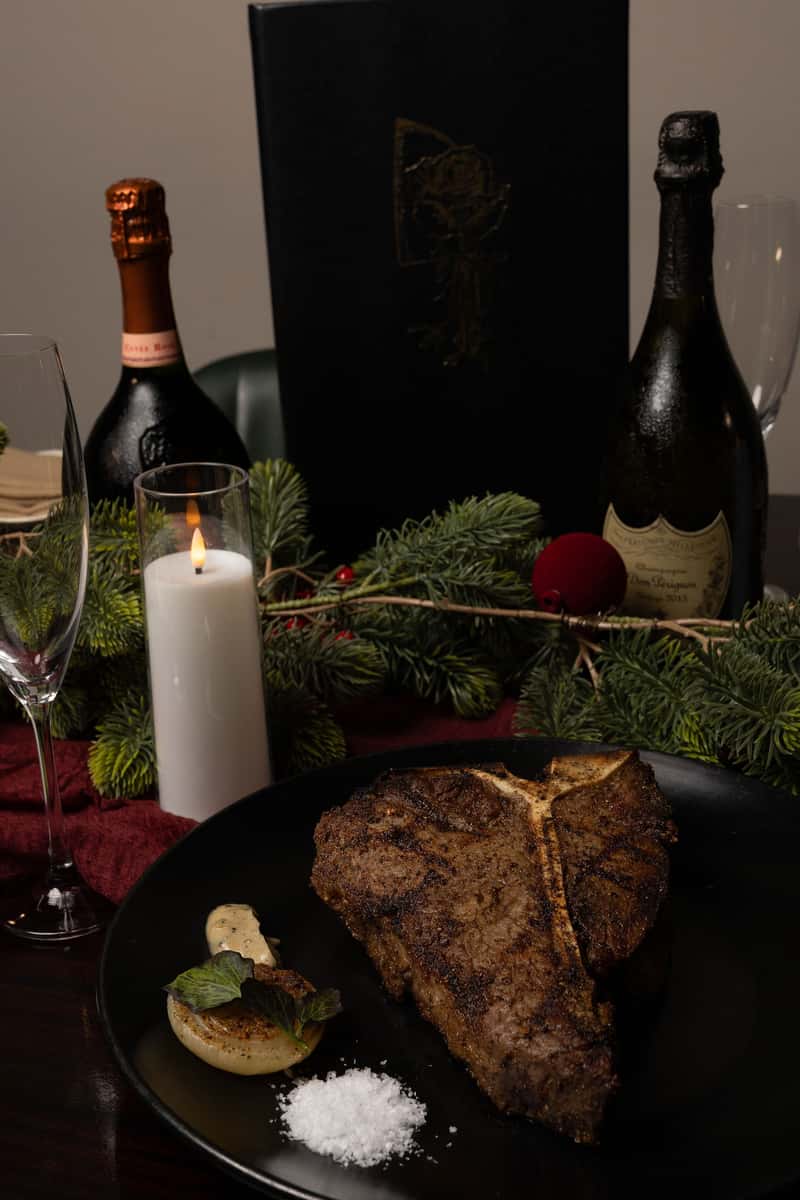
Premium dry-aged meats and refined seafood reflect the modern steakhouse model at Beauty and the Butcher through the restaurant's dual culinary identity: the "Butcher" side delivers dry-aged beef and premium cuts such as Australian Wagyu and a 35-day dry-aged porterhouse, while the "Beauty" side presents delicately crafted seafood and vegetable preparations. The restaurant features a quartz bar adorned with a display of dry-aged meats, reinforcing butchery as a visible, central craft. According to Beauty and the Butcher's official About page, the restaurant has earned a coveted spot in the Michelin Guide and seats 160 guests across a modern dining room and 30-seat bar. This balance of protein mastery and refined non-meat preparations is precisely what separates a modern steakhouse from its traditional predecessor, making Beauty and the Butcher a textbook example of the concept in Coral Gables.
What Are the Key Takeaways About What a Modern Steakhouse Is That We Covered?
The key takeaways about what a modern steakhouse is include a chef-driven identity, premium dry-aged proteins, expanded seafood and vegetable offerings, Michelin-level culinary credentials, and a design environment that balances sophistication with approachability. A modern steakhouse moves beyond a single protein focus to offer seasonal variety, recognizable chef authorship, and a dining room that welcomes both celebration diners and everyday food enthusiasts. Beauty and the Butcher applies every one of these principles in Coral Gables, anchored by Chef Jeremy Ford's Top Chef and Michelin-starred background, a rotating seasonal menu, and an inclusive hospitality philosophy that makes elevated cuisine accessible to a broad audience.