
What is a Chef-Driven Steakhouse? Guide
What is a Chef-Driven Steakhouse? Guide
What Is a Chef-Driven Steakhouse?
A chef-driven steakhouse is a restaurant where a named culinary professional shapes every decision, from breed selection and aging protocols to plating and seasonal menu evolution, rather than following a standardized corporate formula.
This guide covers what defines the chef-driven model, how beef sourcing and aging work at this level, what the menu looks like beyond the steak itself, what credentials signal genuine culinary leadership, how this format compares to other fine dining concepts, and who this experience is built for.
At its core, a chef-driven steakhouse is distinguished by the named chef's authority over the entire operation. Menus reflect a personal culinary identity, not a tested brand template, and that authorship creates measurable differences in ingredient quality, consistency, and guest experience.
Beef sourcing and aging are where technical rigor becomes visible. Controlled dry-aging, deliberate breed selection across USDA Prime, Wagyu, and heritage cattle, and in-house butchery all reflect a kitchen that treats the supply chain as part of the craft.
The menu extends well beyond the headline protein. Refined seafood, rotating seasonal small plates, and chef-crafted accompaniments reveal the full range of culinary skill and keep each visit from feeling like a repetition of the last.
Culinary credentials, including Michelin stars, major competition wins, and industry award recognition, provide guests with independent, expert-validated trust signals before they ever see a menu.
For diners in Coral Gables, Beauty & the Butcher translates these standards directly: Chef Jeremy Ford, Top Chef Season 13 winner and the culinary mind behind Michelin-starred Stubborn Seed, anchors every element of the experience.
What Makes a Steakhouse "Chef-Driven"?
A chef-driven steakhouse is one where a named culinary professional shapes every decision, from sourcing to plating, rather than following a standardized corporate formula. The following sections cover how a named chef transforms the guest experience, how that philosophy contrasts with corporate steakhouse models, and what role culinary credentials play in the concept.
How Does a Named Chef Change the Dining Experience?
A named chef changes the dining experience by anchoring every menu decision, ingredient choice, and service standard to a single culinary identity. Dishes reflect the chef's personal technique, regional influences, and evolving creative vision rather than a fixed corporate template. Menus rotate based on what the chef finds seasonally compelling, so guests encounter genuine discovery rather than predictable repetition. At Beauty & the Butcher, Chef Jeremy Ford, winner of Top Chef Season 13, brings Michelin-starred precision to a Coral Gables setting, ensuring each plate carries measurable culinary intent. This authorship creates a dining experience with continuity, personality, and accountability that no brand standard manual can replicate.
How Does Chef-Driven Philosophy Differ From a Corporate Steakhouse Model?
Chef-driven philosophy differs from a corporate steakhouse model in decision-making authority, menu flexibility, and sourcing strategy. Corporate steakhouses operate on standardized recipes, centralized purchasing, and consistency across locations. A chef-driven model gives the kitchen's lead creative full authority over every variable. A University of Nevada, Las Vegas study on celebrity chef restaurants found that food quality directly drives customers' willingness to repurchase, highlighting why chef authorship produces measurably stronger guest loyalty than formula-driven execution. The chef-driven model treats every service as an expression of craft, not a replication of a tested system.
What Role Does Culinary Training and Accolades Play in a Chef-Driven Concept?
Culinary training and accolades play a foundational role in a chef-driven concept by establishing the technical credibility and creative rigor behind every menu decision. Formal training builds mastery of classical technique; competitive accolades validate that mastery against peers. The American Culinary Federation offers 13 certification levels that signal verifiable professional advancement. At the highest level, recognition such as Michelin stars and major competition wins, like Chef Jeremy Ford's Top Chef Season 13 title and the Michelin star earned at Stubborn Seed, signal that a chef's standards consistently exceed industry benchmarks. These credentials are not decorative; they directly inform the precision guests experience at the table.
What Are the Defining Characteristics of a Chef-Driven Steakhouse?
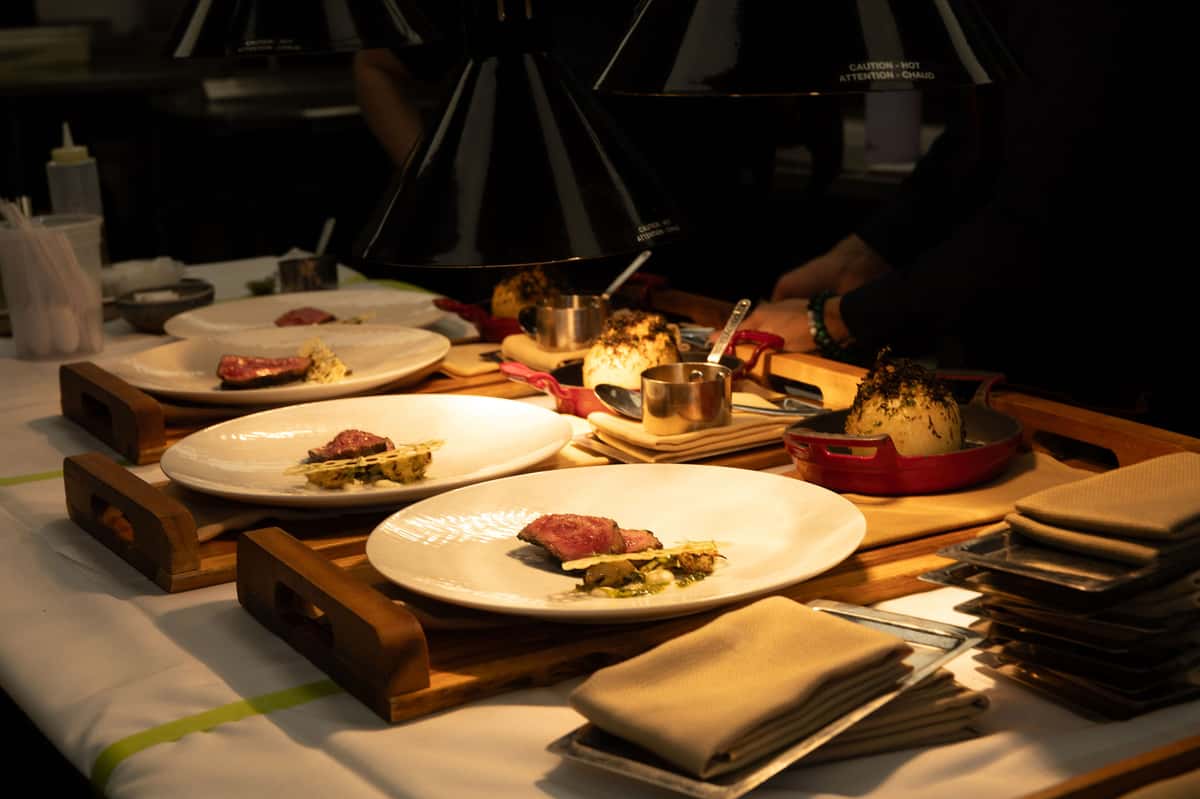
The defining characteristics of a chef-driven steakhouse include intentional sourcing, a menu shaped by culinary philosophy, an atmosphere reflecting the chef's creative identity, and a commitment to seasonal ingredients. The sections below cover each of these elements in detail.
How Does Sourcing and Butchery Set Chef-Driven Steakhouses Apart?
Sourcing and butchery set chef-driven steakhouses apart by placing the chef's judgment at every point in the supply chain, from farm selection to how cuts are broken down in-house. Rather than ordering portioned product from a broadline distributor, a chef-driven kitchen evaluates the animal, selects the grade, and controls the aging process directly. This hands-on approach means the quality of the final plate is deliberate, not incidental. In-house butchery also reduces waste creatively, with secondary cuts appearing as specials or supporting dishes rather than being discarded. For diners, it translates into consistency and traceability that a conventional steakhouse rarely offers.
What Makes the Menu at a Chef-Driven Steakhouse Different?
The menu at a chef-driven steakhouse differs from a traditional steakhouse menu because it extends well beyond a fixed list of beef cuts, incorporating seasonal small plates, refined seafood, composed vegetable dishes, and inventive sides that reflect the chef's full culinary range. A traditional steakhouse typically anchors its menu in permanence, offering the same lineup year-round. By contrast, a chef-driven menu evolves with the seasons and with the chef's creative focus. According to a San Francisco Office of Small Business record, Ann Lee Harris's 1984 classic American steakhouse was built around a vision of atmosphere and timeless dining, a format that chef-driven concepts now build on by layering culinary innovation over that elegance.
How Does Atmosphere Reflect the Chef's Creative Vision?
Atmosphere reflects the chef's creative vision by functioning as a physical extension of the culinary philosophy, where every design decision, from lighting and materials to spatial flow, supports how the food is meant to be experienced. In a chef-driven steakhouse, the room is not a generic fine dining backdrop. It signals what kind of cooking to expect. A space that displays dry-aged meats openly, for example, communicates transparency and craft before a dish arrives. Warm materials, considered lighting, and an energetic bar area can express the same balance of refinement and approachability that the menu itself delivers. The atmosphere and the food tell the same story.
Why Do Chef-Driven Steakhouses Prioritize Seasonal and Local Ingredients?
Chef-driven steakhouses prioritize seasonal and local ingredients because ingredient quality directly determines the ceiling of what cooking can achieve, and peak-season product sourced from nearby farms simply performs better on the plate. Seasonality also disciplines the menu, forcing creative decisions rather than relying on a static list. Local sourcing shortens the supply chain, which preserves freshness and gives the chef greater visibility into how ingredients are raised or grown. For guests, rotating seasonal menus create a reason to return, because each visit reflects what is genuinely best at that moment rather than what is simply available year-round.
How Does a Chef-Driven Steakhouse Approach Beef Sourcing and Aging?
A chef-driven steakhouse approaches beef sourcing and aging through deliberate breed selection, rigorous grading standards, and controlled aging techniques. The sections below cover dry-aging science, cut selection philosophy, and the distinctions between USDA Prime, Wagyu, and heritage breeds.
What Is Dry-Aging and Why Do Chef-Driven Steakhouses Use It?
Dry-aging is a controlled preservation and flavor-development process in which unpackaged beef is exposed to regulated temperature, humidity, and airflow for two to eight weeks. According to a study published in the Journal of Food Science via PubMed Central, this process causes surface dehydration to form a protective crust while proteolytic and lipolytic reactions release amino acids, peptides, and fatty acids, with molds and yeasts generating volatile compounds that concentrate umami, nutty, and beefy notes.
Chef-driven steakhouses may use dry-aging because the resulting flavor complexity cannot be replicated through wet-aging or commodity beef programs. It signals a serious, ingredient-first commitment to the craft of beef cookery.
How Does a Chef Select Cuts Based on Culinary Philosophy?
A chef selects cuts based on culinary philosophy by evaluating each cut's structural properties, fat distribution, and how those qualities serve the intended cooking technique and guest experience. A chef trained through a rigorous program, such as those recognized by the American Culinary Federation's 13-level certification structure, brings systematic knowledge of muscle function and flavor to every sourcing decision.
Cuts are chosen to reinforce the restaurant's identity, whether that means showcasing a 35-day dry-aged porterhouse for bold, concentrated flavor or a tenderloin for its refinement and texture.
What Is the Difference Between USDA Prime, Wagyu, and Heritage Breeds?
The difference between USDA Prime, Wagyu, and heritage breeds lies in genetics, marbling standards, and breeding history. According to the USDA, Prime beef comes from young, well-fed cattle with abundant marbling and is primarily sold in restaurants and hotels. Wagyu, a term meaning "Japanese cattle" per Oklahoma State University's Department of Animal and Food Sciences, must meet USDA Authentic Wagyu certification requirements, including a minimum marbling score of Moderately Abundant or higher and U.S. Prime classification. Heritage breeds, by contrast, are defined by true genetic reproduction, documented endangerment status, and a continuous U.S. breeding population established before 1925.
Understanding these distinctions matters because each category delivers a meaningfully different eating experience, and a chef's choice among them directly expresses culinary priorities.
How Does the Menu at a Chef-Driven Steakhouse Go Beyond Steak?
The menu at a chef-driven steakhouse goes beyond steak by balancing premium proteins with refined seafood, seasonal small plates, and chef-crafted sides. The sections below cover why seafood earns a prominent place, how seasonal small plates function within this format, and what accompaniments reveal about a chef's culinary identity.
Why Do Chef-Driven Steakhouses Feature Refined Seafood Dishes?
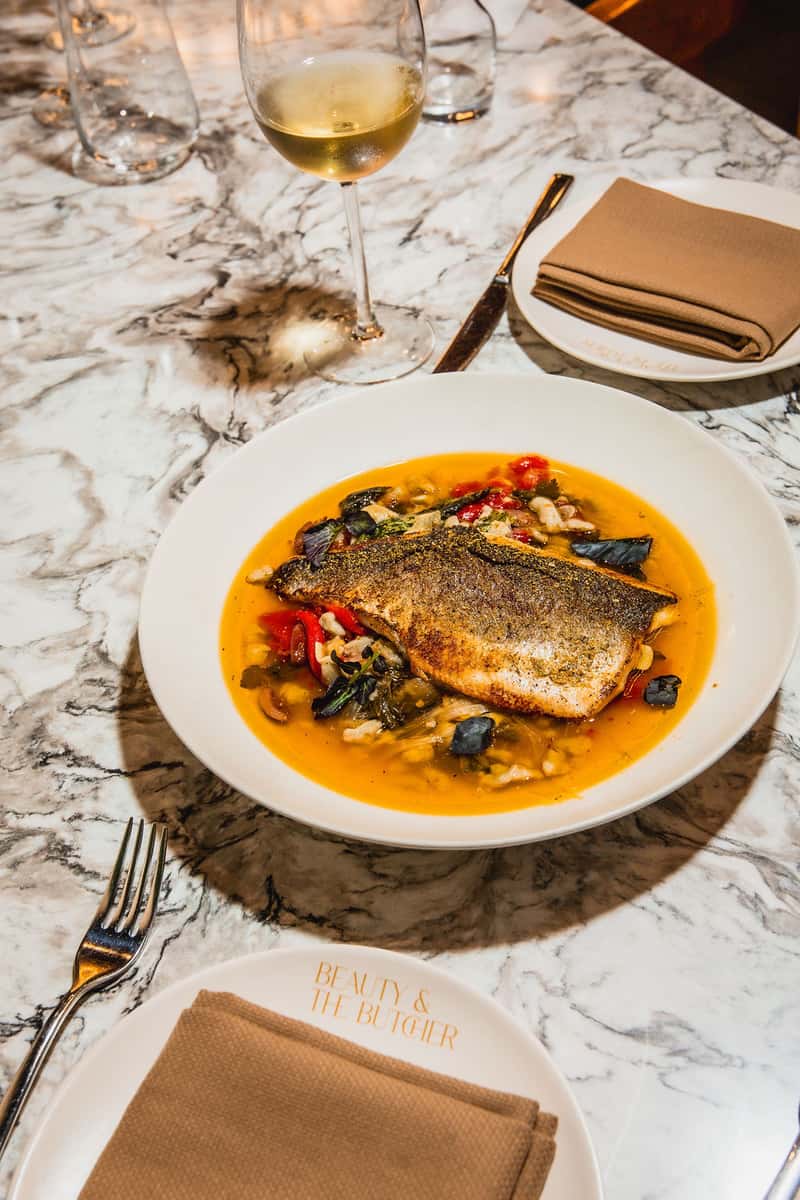
Chef-driven steakhouses feature refined seafood dishes because seafood allows the chef's technique and palate to extend beyond butchery into delicate, precision-driven preparations. At Beauty & the Butcher, this philosophy is expressed directly in the restaurant's name: the "Butcher" commands premium meats, while the "Beauty" reveals itself through meticulously crafted seafood offerings. Starters like cold water oysters, sizzling Argentine red shrimp, and PEI mussels demonstrate that range. Seafood sourcing also carries sustainability implications; according to NOAA Fisheries, U.S. fishermen operate under 10 national standards of sustainability enforced through the Magnuson-Stevens Act. From a culinary standpoint, featuring refined seafood elevates a steakhouse concept from single-protein destination to a complete fine dining experience.
What Are Seasonal Small Plates and How Do They Fit a Steakhouse Menu?
Seasonal small plates are rotating, ingredient-focused dishes that change with market availability and the chef's evolving creative vision. They fit a steakhouse menu by introducing variety, lightness, and discovery alongside the larger protein-forward offerings. At Beauty & the Butcher, rotating seasonal small plates function as an intentional program, keeping each visit fresh and reflecting what is best in the market at a given time. Dishes like beef tartare, Caesar salad, sourdough focaccia, and French onion soup illustrate how small plates bridge approachability with refinement. This rotating structure also signals genuine chef engagement: menus that evolve seasonally indicate a kitchen responding to ingredients rather than locking in a static formula.
How Do Sides and Accompaniments Reflect a Chef's Culinary Identity?
Sides and accompaniments reflect a chef's culinary identity by revealing the priorities, flavor sensibilities, and ingredient knowledge that do not always surface in a headline protein. At a chef-driven steakhouse, a side dish is never an afterthought; it is an opportunity to demonstrate technique, balance, and creativity. Where a corporate steakhouse defaults to generic options, a chef-driven kitchen selects accompaniments that complement the main protein and stand on their own merit. At Beauty & the Butcher, the balance between the "Butcher" and the "Beauty" extends to every element on the plate, with vegetable and accompaniment preparations treated with the same rigor as the premium cuts they accompany.
What Culinary Credentials Signal a Truly Chef-Driven Steakhouse?
Culinary credentials signal a chef-driven steakhouse through verifiable achievements such as Michelin stars, major competition wins, and industry award nominations. The following sections examine what each credential type means for diners.
What Does a Michelin Star Indicate About a Restaurant's Culinary Standard?
A Michelin star indicates that a restaurant meets the Michelin Guide's rigorous standards for ingredient quality, cooking technique, flavor consistency, and overall excellence. Earning even one star places a restaurant among a small global cohort reviewed anonymously by professional inspectors. Chef Jeremy Ford's Michelin-starred Stubborn Seed demonstrates exactly this caliber, providing guests at Beauty & the Butcher a clear benchmark for the culinary standard they can expect.
How Does Winning a Major Competition Like Top Chef Shape a Chef's Concept?
Winning a major competition like Top Chef shapes a chef's concept by pressure-testing creativity, technique, and consistency at a national level. The competition format demands that a chef develop a distinct, defensible culinary point of view under scrutiny, which translates directly into a more intentional restaurant concept. Chef Jeremy Ford's Top Chef Season 13 victory gave Beauty & the Butcher its foundational identity: bold flavors, premium proteins, and refined preparations working in deliberate balance.
Why Do Culinary Awards Matter to Guests Choosing a Steakhouse?
Culinary awards matter to guests choosing a steakhouse because they function as independent, expert-validated quality signals in a crowded market. The James Beard Foundation states its mission is "to recognize exceptional talent and achievement in the culinary arts, hospitality, media, and broader food system, as well as a demonstrated commitment to equity, community, sustainability, and a culture where all can thrive." For diners, that kind of institutional recognition reduces guesswork and builds confidence before they ever see a menu.
How Does a Chef-Driven Steakhouse Differ From Other Fine Dining Formats?
A chef-driven steakhouse differs from other fine dining formats by combining deep protein expertise with a named chef's creative identity, seasonal sourcing, and an evolving menu that no fixed-concept format replicates. The sections below compare this model against a traditional chophouse, a farm-to-table restaurant, and a celebrity chef branded chain.
How Does It Compare to a Traditional Chophouse?
A traditional chophouse focuses on consistency: reliable cuts, familiar sides, and a menu that rarely changes. A chef-driven steakhouse, by contrast, treats that same protein-forward foundation as a canvas for culinary expression. The chef selects specific breeds and aging methods, rotates preparations seasonally, and integrates refined accompaniments that a chophouse format typically omits. The result is a dining experience shaped by culinary intent rather than operational formula.
How Does It Compare to a Farm-to-Table Restaurant?
A farm-to-table restaurant centers sourcing as the concept itself, often de-emphasizing protein in favor of vegetable-forward menus. A chef-driven steakhouse shares the same commitment to ingredient provenance but anchors the menu around premium proteins, with seasonal and local sourcing serving the chef's overall culinary vision rather than defining it entirely. Premium meat expertise and refined preparations coexist alongside produce-driven dishes rather than being subordinate to them.
How Does It Compare to a Celebrity Chef Branded Chain?
A celebrity chef branded chain scales a famous name across multiple locations, often with standardized menus and replicated décor. A chef-driven steakhouse keeps the named chef actively engaged in the concept, with menus that reflect that chef's evolving palate. According to a University of Nevada, Las Vegas study on celebrity chef restaurants, food quality drives both willingness to repurchase and willingness to pay, signaling that perceived chef involvement directly shapes guest value. The chef's presence, not just the brand, is the differentiator.
Miami's dining market reinforces why these distinctions matter, with the Greater Miami Convention & Visitors Bureau reporting that visitors spent $22.7 billion on lodging, dining, shopping, transportation, and entertainment, up 4.1% from 2024, across a hospitality sector supporting more than 216,000 jobs in Miami-Dade County.
Who Is the Ideal Guest for a Chef-Driven Steakhouse Experience?
The ideal guest for a chef-driven steakhouse experience is someone who values culinary artistry, premium ingredients, and a dining atmosphere that goes beyond a standard meal. This section covers what discerning diners receive, why celebratory occasions fit this format, and what food enthusiasts can expect.
What Does a Chef-Driven Steakhouse Offer Discerning Diners?
A chef-driven steakhouse offers discerning diners a calibrated combination of premium proteins, refined technique, and an environment designed around intentional hospitality. Unlike standard steakhouses, the menu reflects a named chef's culinary philosophy rather than a standardized corporate template. Guests who appreciate the provenance of ingredients, the craft behind dry-aged beef, and the balance between bold flavors and delicate preparations find this format especially rewarding. The experience speaks directly to those who treat dining as a considered choice, not a routine transaction.
Why Is a Chef-Driven Steakhouse Well Suited for Celebratory Occasions?
A chef-driven steakhouse is well suited for celebratory occasions because the elevated atmosphere, attentive service, and exceptional food create a sense of event that marks a moment as meaningful. Birthdays, anniversaries, promotions, and milestone gatherings each benefit from a setting where every detail, from the ambiance to the plate, is crafted with purpose. The combination of seasonal menus, premium cuts, and a dynamic bar program gives groups and couples alike multiple touchpoints for an evening that feels genuinely special rather than generic.
What Can Food Enthusiasts Expect From This Type of Restaurant?
Food enthusiasts can expect ingredient-forward cooking, transparent sourcing, and a menu that evolves with the seasons. According to research from the University of Nevada, Las Vegas, food quality at chef-driven restaurants directly drives customers' willingness to repurchase, confirming that culinary standards are the central draw for repeat visitors. The USDA classifies Prime beef, one hallmark of this dining tier, as coming from young, well-fed cattle with abundant intramuscular marbling. Beyond the steak itself, enthusiasts encounter whole-animal butchery approaches and produce sourced through relationships with regional farms. For guests who follow chef careers, track awards, and read menus before they arrive, a chef-driven steakhouse is the format that consistently rewards that level of engagement.
What Should You Look for When Choosing a Chef-Driven Steakhouse in Miami?
Choosing a chef-driven steakhouse in Miami means looking beyond the menu to the chef's credentials, sourcing philosophy, and the restaurant's role in its community. The following sections cover how Beauty & the Butcher exemplifies this model and summarize the key standards covered throughout this guide.
How Does Beauty & the Butcher Embody the Chef-Driven Steakhouse Model in Coral Gables?
Beauty & the Butcher embodies the chef-driven steakhouse model through the vision of Chef Jeremy Ford, Top Chef Season 13 winner and the culinary force behind the Michelin-starred Stubborn Seed. Located at 6915 Red Road in Coral Gables, the restaurant operates within one of South Florida's most competitive dining markets: according to the City of Coral Gables, the area supports more than 100 cafes and restaurants catering to high-end leisure and corporate travelers. Beauty & the Butcher distinguishes itself through dry-aged cuts, Australian Wagyu, rotating seasonal small plates, and a 160-seat dining room anchored by a quartz bar displaying dry-aged meats. The restaurant's name captures its philosophy: the "Butcher" delivers premium meat expertise, while the "Beauty" reveals itself in refined seafood and vegetable preparations.
What Are the Key Takeaways About Chef-Driven Steakhouses We Covered?
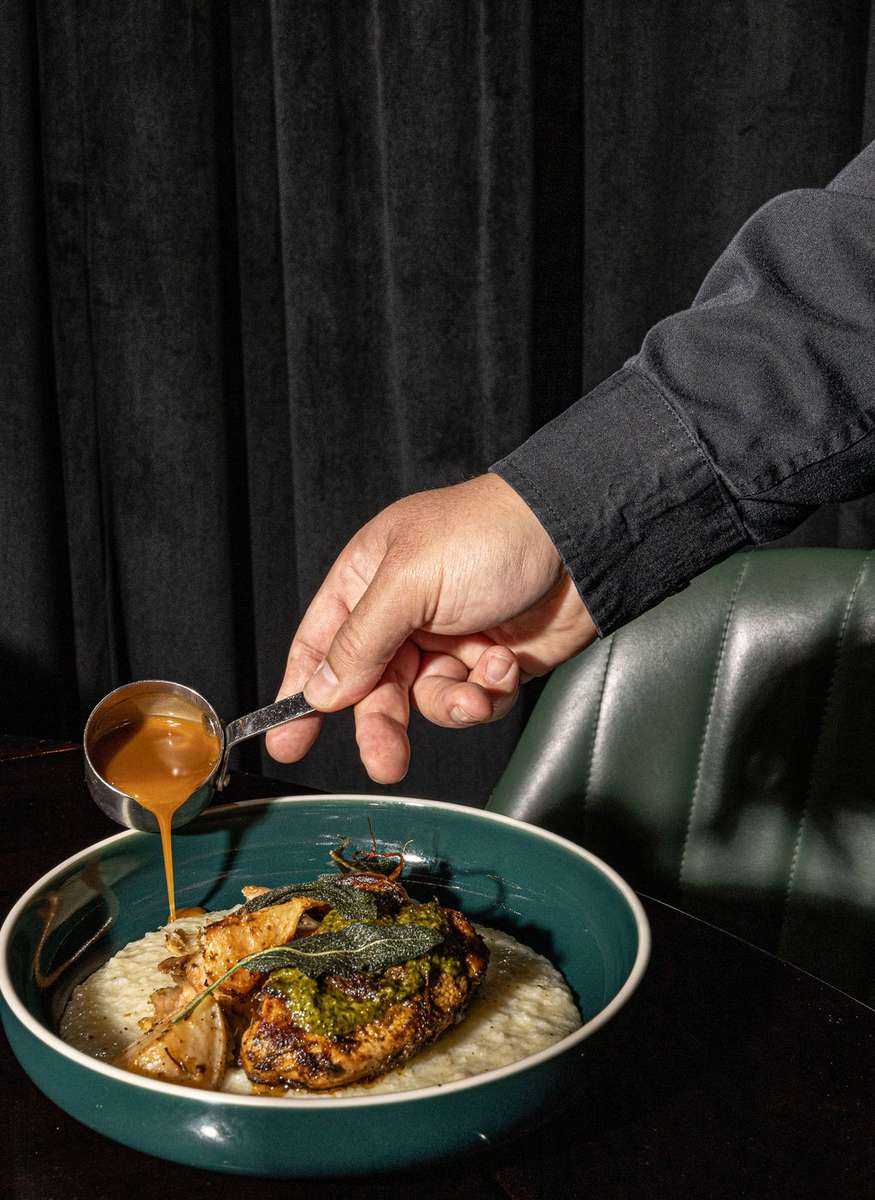
The key takeaways about chef-driven steakhouses are that every meaningful differentiator traces back to the chef's identity, sourcing decisions, and creative philosophy. A named chef elevates the experience beyond a transactional meal by introducing personal culinary vision, rigorous ingredient standards, and menus that evolve with the seasons. Beef quality signals matter: USDA Prime marbling, dry-aging protocols, and breed provenance each reflect deliberate sourcing choices. Culinary credentials, including competition wins and Michelin recognition, offer guests a reliable trust signal. The menu should balance premium proteins with refined seafood and vegetable preparations. When evaluating a chef-driven steakhouse in Miami, prioritize the chef's track record, the restaurant's sourcing transparency, and whether the dining atmosphere reflects genuine creative investment rather than a branded formula.