
Types of Steakhouses in Coral Gables
Types of Steakhouses in Coral Gables
A steakhouse type is defined by its cooking tradition, beef sourcing philosophy, service format, and cultural origin. These factors combine to shape everything from how meat reaches the table to what the dining room feels like.
This guide covers the defining characteristics of each steakhouse category, how menus and ambiance differ across formats, the role of dry-aging and chef identity in modern concepts, and how Beauty and the Butcher fits into Coral Gables' steakhouse landscape.
Contemporary and classic American formats differ sharply in menu range and atmosphere. A contemporary steakhouse builds its identity around chef-driven menus that balance premium beef with refined seafood and seasonal plates, while a classic chophouse centers on a fixed roster of traditional cuts executed with disciplined consistency.
Argentine and Brazilian formats bring distinct cultural frameworks to the table. Argentine asado traditions center on communal wood-fire cooking with grass-fed cuts and chimichurri, while Brazilian churrascarias deliver continuous tableside service through the rodizio model, where servers carve skewered meats directly onto guests' plates.
Dry-aging practices and meat preparation philosophies vary just as significantly. Contemporary steakhouses treat extended aging programs as a culinary signature; classic chophouses standardize the process for consistency; Argentine steakhouses prioritize open-flame technique and pasture quality over refrigerated aging.
For special occasions, format matters. Contemporary steakhouses suit intimate dinners and business dining; churrascarias handle large group celebrations naturally; and chef-driven concepts like Beauty and the Butcher, led by Top Chef winner Jeremy Ford, offer the range and precision to serve any occasion.
What Defines a Steakhouse Type?
A steakhouse type is defined by a combination of cooking tradition, service format, beef sourcing philosophy, and cultural origin. These defining factors shape everything from menu structure to ambiance. The sections below cover how beef grades, aging methods, service style, and culinary heritage separate one steakhouse category from another.
How Beef Grading and Aging Separate Steakhouse Categories
Beef grading and aging practices are the most reliable technical markers that separate one steakhouse type from another. USDA quality grades are determined by evaluating marbling and carcass maturity, according to South Dakota State University Extension. A contemporary steakhouse focused on dry-aged prime cuts occupies fundamentally different culinary territory than a churrascaria built on high-volume rotisserie service. Aging method, grade standard, and cut selection each signal a distinct steakhouse philosophy before a guest even reads the menu.
How Service Format Defines the Dining Experience
Service format defines the steakhouse dining experience by structuring how proteins reach the table and how guests interact with the meal. A tableside carving service, as found in Brazilian churrascarias, creates an entirely different rhythm than an a la carte chophouse. Fixed-price tasting formats, chef-driven small plates, and individual cut selections each reflect a deliberate positioning choice. In practice, service format is often the clearest signal of a restaurant's steakhouse category, more immediately apparent than sourcing or cooking method.
How Cultural Origin Shapes Steakhouse Identity
Cultural origin shapes steakhouse identity by embedding specific fire traditions, cut preferences, and social rituals into the dining format. Argentine asado culture centers on communal wood-fire cooking, while classic American chophouses trace their identity to urban butcher-driven menus of the 20th century. According to Penn Abroad at the University of Pennsylvania, the asado is characterized as a gathering of friends and family around a fire pit to enjoy an assortment of meats. Cultural lineage is not cosmetic; it determines which cuts are prized, how meat is seasoned, and what the dining room is designed to feel like.
What Are the Main Types of Steakhouses Found in Coral Gables?
The main types of steakhouses found in Coral Gables include contemporary American steakhouses, classic chophouses, Argentine steakhouses, Brazilian churrascarias, modern European steakhouses, and farm-to-table steakhouses. Coral Gables, a dining destination anchored by Miracle Mile and Giralda Plaza, supports a range of steakhouse formats suited to diverse tastes and dining occasions.
Contemporary American Steakhouse
A contemporary American steakhouse combines premium beef cuts with chef-driven menus that extend beyond meat to include refined seafood and seasonal small plates. This format prioritizes culinary creativity alongside butchery expertise, offering rotating menus that reflect ingredient availability and chef vision. It suits diners who want elevated cuisine without a rigid, traditional format.
Classic American Chophouse
A classic American chophouse focuses on time-honored cuts, such as the ribeye, New York strip, and porterhouse, prepared with consistent, technique-forward cooking. The menu structure is straightforward, emphasizing quality beef, house-made sides, and a formal dining atmosphere. Chophouses appeal to guests who value tradition and predictability in a steakhouse experience.
Argentine Steakhouse
An Argentine steakhouse centers on asado traditions, where wood-fire or open-flame grilling defines the cooking method and the social experience. According to Penn Abroad at the University of Pennsylvania, the asado is characterized as a gathering of friends and family around the fire pit to enjoy an assortment of meats. Grass-fed cuts prepared simply with chimichurri are hallmarks of this format.
Brazilian Churrascaria
A Brazilian churrascaria delivers beef through continuous tableside service, with servers circulating large skewers of roasted meat carved directly onto guests' plates. The Culinary Institute of America notes that churrasco originated with Brazilian gauchos in the Rio Grande do Sul region, who developed spit-roasting as their primary cooking method. The all-you-can-eat, rodizio-style format makes this type distinctly communal and high-volume.
Modern European Steakhouse
A modern European steakhouse structures the dining experience around a multi-course progression, incorporating influences such as French classical technique applied to premium beef. UNESCO's Intangible Cultural Heritage documentation on the gastronomic meal of the French describes a fixed structure spanning at least four successive courses. This format suits guests seeking a more ceremonial, course-driven beef experience.
Farm-to-Table Steakhouse
A farm-to-table steakhouse sources beef and produce through direct relationships with regional suppliers, keeping the supply chain short between farm and kitchen. The USDA National Institute of Food and Agriculture identifies this short supply chain as crucial to regional food system viability, enabling restaurants to offer consistent purchasing commitments to farmers. Menus in this format change frequently to reflect seasonal availability, prioritizing ingredient transparency alongside premium protein.
How Does a Contemporary American Steakhouse Differ From a Classic Chophouse?
A contemporary American steakhouse differs from a classic chophouse in menu philosophy, ambiance, and culinary approach. The sections below cover how each format handles protein selection, atmosphere, and the chef's creative role.
Menu Philosophy and Protein Range
A contemporary American steakhouse balances premium meat with refined seafood and vegetable preparations, while a classic chophouse centers its menu almost entirely on beef cuts and traditional sides. Contemporary formats rotate seasonal small plates alongside butcher's cuts such as dry-aged porterhouse and Australian Wagyu. Classic chophouses favor fixed, familiar offerings: bone-in ribeyes, New York strips, and iceberg wedge salads. This distinction matters for diners who want variety beyond beef. A contemporary steakhouse rewards repeat visits with evolving menus; a chophouse rewards guests who want consistent, proven classics executed at the highest level.
Ambiance and Dining Environment
A contemporary American steakhouse creates a modern, warm atmosphere with dynamic energy, while a classic chophouse delivers a traditional, wood-paneled setting with formal service rhythms. Contemporary spaces typically feature open layouts, ambient lighting, and active bar programs alongside the dining room. Chophouses lean toward a more deliberate pace designed to let the meal dominate the experience. Neither format is superior; the right choice depends entirely on the occasion and the guest's preference for energy versus formality.

Role of the Chef and Culinary Identity
A contemporary American steakhouse places the chef's creative identity at the center of the concept, while a classic chophouse subordinates the chef's personality to the tradition of the format itself. According to the National Restaurant Association, 59% of restaurant operators have changed their menus in response to shifting guest expectations, reflecting the pressure on contemporary formats to innovate continuously. Classic chophouses resist this trend deliberately, treating consistency as their competitive advantage. From a practical standpoint, chef-driven contemporary steakhouses offer more culinary discovery per visit, while chophouses offer the confidence of a predictable, masterfully executed experience.
What Makes an Argentine Steakhouse Unique Compared to Other Types?
An Argentine steakhouse is unique because it centers on asado, a wood-fire cooking tradition rooted in communal gathering rather than individual plated service. The sections below cover the cultural origins of asado, the Pampas-raised cattle that define Argentine beef quality, and how chimichurri and open-flame technique distinguish this format from American and Brazilian styles.
What Is the Asado Tradition and Why Does It Matter?
The asado tradition is a communal cooking ritual built around slow-roasting assorted meats over an open fire pit. According to Penn Abroad at the University of Pennsylvania, asado is characterized as the gathering of friends and family around the fire pit to enjoy an assortment of meats while cherishing each other's company. This social architecture separates the Argentine steakhouse from the American chophouse, where plating and individual portions take priority. The fire is the centerpiece, and the meal unfolds around it rather than from a kitchen pass.
How Does Argentine Cattle Heritage Influence Beef Flavor?
Argentine cattle heritage influences beef flavor through centuries of open-range grazing on the Pampas, producing naturally lean, grass-fed profiles distinct from grain-finished American beef. Buenos Aires Ciudad Tourism notes that Argentina's grassland conditions allowed British breeds including Angus, Hereford, and Shorthorn to develop improved meat quality after their import. Grass-fed finishing yields a cleaner, slightly mineral flavor that Argentine steakhouses treat as a defining characteristic rather than a starting point for heavy seasoning.
How Does Chimichurri Define Argentine Steakhouse Identity?
Chimichurri defines Argentine steakhouse identity as the primary condiment, replacing the butter sauces and reductions common in American and European formats. Made from parsley, garlic, olive oil, and vinegar, chimichurri is applied after cooking to preserve the meat's fire-kissed crust. This restraint in saucing is a deliberate expression of Argentine culinary philosophy: the quality of the beef and the integrity of the wood-fire cook speak for themselves, with chimichurri amplifying rather than masking the result.
What Role Does Chef-Driven Cuisine Play in Modern Steakhouse Concepts?
Chef-driven cuisine plays a defining role in modern steakhouse concepts by elevating them beyond commodity beef service into full culinary experiences shaped by a named chef's philosophy, technique, and seasonal vision. The sub-sections below explore how menu innovation, chef identity, and the balance between proteins and refined preparations distinguish contemporary steakhouses.
How Does Chef Identity Shape the Modern Steakhouse Menu?
Chef identity shapes the modern steakhouse menu by anchoring every dish to a specific culinary vision rather than a standardized corporate formula. When a recognized chef leads the kitchen, the menu reflects personal technique, ingredient relationships, and creative risk-taking that generic steakhouse chains cannot replicate. According to the National Restaurant Association, 59% of restaurant operators have changed the food and beverage items on their menus, signaling that innovation driven by culinary leadership has become an industry baseline, not a differentiator. The real differentiator is the chef's ability to make those changes coherent, seasonal, and purposeful.
How Does Chef-Driven Cuisine Balance Proteins With Refined Preparations?
Chef-driven cuisine balances proteins with refined preparations by treating beef and seafood as equally important expressions of culinary skill rather than ranking them by prestige. At Beauty and the Butcher, this balance is built into the restaurant's identity: the "Butcher" represents premium dry-aged cuts and expertly prepared meats, while the "Beauty" reflects delicately crafted seafood and vegetable dishes. This dual philosophy prevents the concept from narrowing into a single-note steakhouse and broadens appeal across the full table. Menus structured this way tend to rotate seasonally, keeping preparations connected to ingredient quality rather than fixed tradition.
How Does Chef Jeremy Ford's Background Influence Contemporary Steakhouse Design?
Chef Jeremy Ford's background influences contemporary steakhouse design by fusing fine dining precision with approachable, ingredient-forward thinking. Ford, known nationwide for his win on Bravo's Top Chef Season 13, started his professional culinary career at 16 at Matthew's, a four-diamond Mediterranean-style restaurant in Jacksonville, FL, building a technical foundation that later earned Michelin recognition at Stubborn Seed. That progression, from classical Mediterranean training to Michelin-starred South Florida dining, informs Beauty and the Butcher's approach: premium proteins presented with the same care and intentionality as its refined seafood and vegetable plates. This makes the restaurant a strong example of how chef pedigree directly translates into a more textured, layered steakhouse concept.
How Do Steakhouse Menus Vary Between Types in Coral Gables?
Steakhouse menus in Coral Gables vary significantly by culinary tradition, with each type organizing proteins, sides, and service styles differently. The sections below cover how contemporary, chophouse, Argentine, and churrascaria formats each approach their menus.
How Do Contemporary Steakhouse Menus Blend Meat and Seafood?
Contemporary steakhouse menus blend meat and seafood by treating both as equal culinary pillars rather than positioning fish as a secondary option. Premium cuts share menu space with refined seafood preparations, such as cold water oysters, Argentine red shrimp, and PEI mussels, alongside butcher's selections including beef tenderloin and dry-aged porterhouse. Rotating seasonal small plates give chefs room to shift emphasis based on ingredient availability, keeping the menu dynamic. According to the National Restaurant Association, 59% of restaurant operators have changed the food and beverage items on their menus, reflecting a broader industry shift toward this balanced, flexible approach. This format rewards guests who want both a serious steak and a thoughtfully prepared seafood course in a single sitting.
How Do Classic Chophouse Menus Differ in Cut Selection?
Classic chophouse menus differ in cut selection by centering on a fixed roster of traditional beef cuts, such as ribeye, New York strip, T-bone, and porterhouse, with minimal variation season to season. The emphasis is on consistency and provenance over novelty, and USDA beef quality grades, determined by evaluating both maturity and marbling, serve as the primary quality signal for cut selection. Sides are typically classic: creamed spinach, baked potato, and onion rings. There is little room for chef interpretation within this format; the steakhouse's reputation rests almost entirely on sourcing, aging, and preparation precision.
How Do Argentine Steakhouse Menus Reflect Wood-Fire Traditions?
Argentine steakhouse menus reflect wood-fire traditions by organizing proteins around the asado format, where an assortment of meats is cooked over a fire pit and shared communally. According to the University of Pennsylvania's Penn Abroad program, the asado is characterized as a gathering of friends and family around the fire pit to enjoy an assortment of meats and foods. Menu cuts typically include short rib, flank, chorizo, and offal, chosen for their compatibility with open-flame cooking rather than USDA grading conventions. Chimichurri and other simple condiments accompany the meat, keeping the focus on the fire's influence rather than layered sauces.
How Do Churrascaria Menus Handle Tableside Service?
Churrascaria menus handle tableside service through a continuous, server-driven rodizio format in which skewered meats are carved directly at the table. The Culinary Institute of America notes that churrasco originated with Brazilian gauchos who spit-roasted cuts of meat over open fire, a tradition that evolved into the all-you-can-eat tableside model found today. Guests signal readiness using a two-sided disc, allowing service to flow without fixed courses. This format removes individual cut selection from the equation entirely, replacing it with variety and volume as the primary value proposition.
With each format following its own menu logic, understanding these distinctions helps diners match the experience to their occasion.
How Does Ambiance Differ Across Steakhouse Types in Coral Gables?
Ambiance differs across steakhouse types in Coral Gables through three distinct sensory profiles: contemporary energy, classic formality, and interactive communal dining. Each type creates a setting that shapes the entire meal experience.
What Atmosphere Does a Contemporary American Steakhouse Create?
A contemporary American steakhouse creates an atmosphere that balances modern elegance with genuine warmth. Clean lines, curated lighting, and an energetic bar program define the space, making it equally suited for romantic dinners and celebratory gatherings. The room feels polished but never stiff, inviting guests to linger rather than perform. Beauty and the Butcher exemplifies this in Coral Gables, with a 160-seat modern dining room and a 30-seat bar that functions as a destination on its own. This dual-energy design, refined dining alongside a vibrant bar, is what sets the contemporary format apart from more traditional steakhouse models.
What Atmosphere Does a Classic Chophouse Deliver?
A classic chophouse delivers an atmosphere defined by dark wood paneling, leather booths, and dim lighting. The environment signals tradition and formality, where the visual weight of the room reflects the seriousness of the menu. Conversation feels contained and private, making it a preferred setting for business dinners and formal occasions. Compared to contemporary formats, the chophouse atmosphere prioritizes gravitas over energy, favoring a slower, more ceremonial pace at the table.
What Atmosphere Does a Brazilian Churrascaria Offer?
A Brazilian churrascaria offers an atmosphere centered on communal energy and theatrical tableside service. According to the Culinary Institute of America, churrasco originated with the gauchos of Southern Brazil as a tradition of spit-roasting meats over open fire, and that spirit of shared, abundant dining carries into the modern churrascaria experience. Servers move continuously through the room with skewered cuts, and the pace is social and festive rather than intimate. The environment suits large groups and celebratory occasions where interactive service and plentiful portions define the occasion.
How Do Dry-Aging Practices Vary Across Steakhouse Types?
Dry-aging practices vary across steakhouse types based on aging duration, sourcing philosophy, and whether the format prioritizes controlled aging or open-fire preparation. The sections below cover contemporary, chophouse, and Argentine approaches.
How Does a Contemporary Steakhouse Approach Dry-Aged Beef?
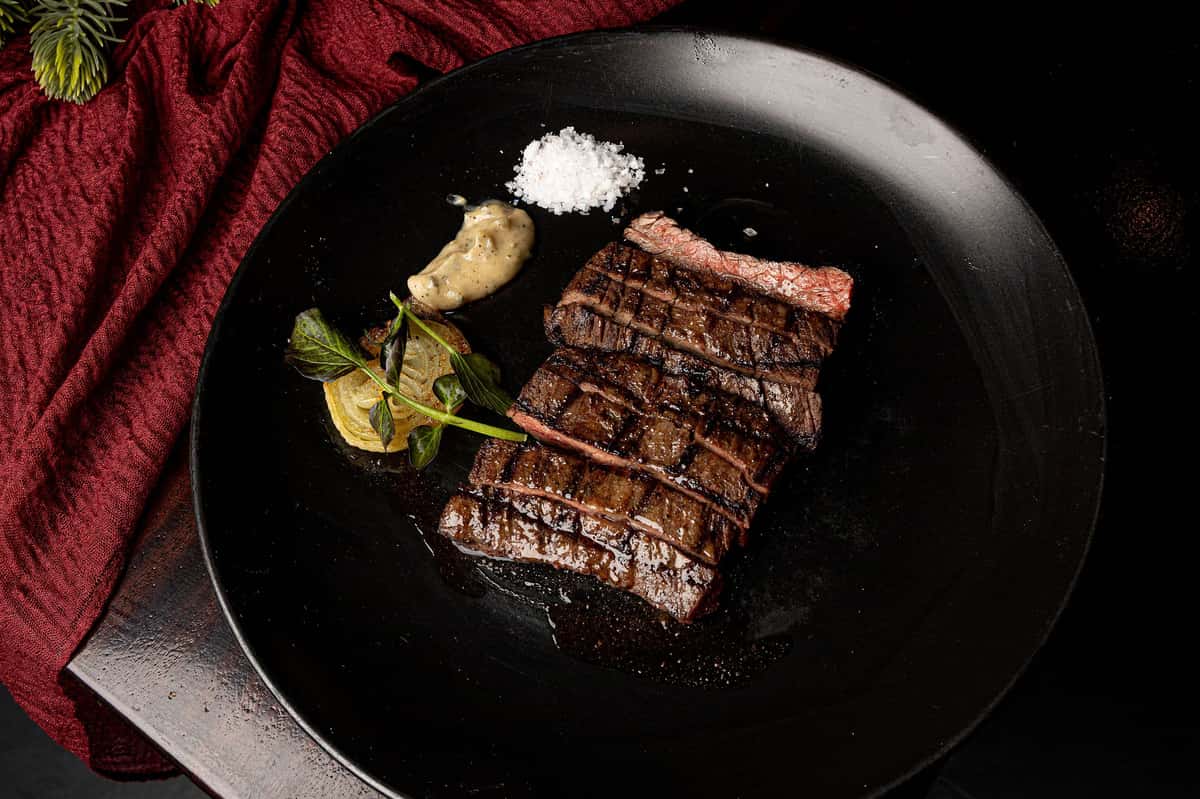
A contemporary steakhouse approaches dry-aged beef by treating it as a centerpiece of culinary identity, not just a preparation method. Rather than serving commodity cuts, contemporary kitchens invest in extended aging programs that develop concentrated flavor and complex texture. Beauty & the Butcher reflects this philosophy directly: its menu features a 35-day dry-aged porterhouse as a signature Butcher's Cut, signaling that the aging process is central to the restaurant's premium meat expertise. This commitment to time-intensive preparation distinguishes contemporary steakhouses from formats where throughput takes priority over craft.
How Do Classic Chophouses Handle Beef Aging?
Classic chophouses handle beef aging through structured dry-aging protocols, typically holding primal cuts in temperature- and humidity-controlled environments. According to a study published in the Journal of Animal Science and Technology, dry aging requires beef carcasses or primal cuts to be hung for 28 to 55 days at 0° to 4°C with relative humidity maintained between 75 and 80%. Chophouses built their reputations on this disciplined process, which produces the concentrated, nutty flavor their regular clientele expect. In practice, chophouse aging programs tend to be consistent and standardized rather than chef-driven or experimental.
How Do Argentine Steakhouses Treat Meat Preparation?
Argentine steakhouses treat meat preparation as a tradition rooted in pasture quality and open-fire technique rather than refrigerated aging. According to Buenos Aires Ciudad Tourism, Argentina's exceptional grazing conditions enabled imported British breeds including Angus, Hereford, and Shorthorn to develop superior meat quality over generations. This heritage shapes how Argentine restaurants approach beef today: the emphasis falls on natural breed quality, minimal intervention, and asado-style cooking over live fire. Dry aging in the conventional chophouse sense is secondary; the flavor comes from the animal's provenance and the fire itself.
Which Steakhouse Type Is Best for Special Occasions in Coral Gables?
The best steakhouse type for a special occasion in Coral Gables depends on your group size, setting, and dining goals. The sections below cover intimate dinners, large group celebrations, and business dining scenarios.
Which Type Suits an Intimate Celebratory Dinner?
The type that suits an intimate celebratory dinner best is a contemporary American steakhouse, where refined ambiance, seasonal menus, and chef-driven precision create a genuinely memorable experience. The balance of premium meats alongside delicately prepared seafood and vegetables gives couples and small parties a layered, evolving meal rather than a one-note protein focus. For celebrations like anniversaries or birthdays, that culinary range matters: it allows each guest to find something personal on the menu without the evening feeling transactional. A warm, modern setting with attentive service turns the occasion itself into part of the gift.
Which Type Works Best for Large Group Celebrations?
The type that works best for large group celebrations is a Brazilian churrascaria, where the continuous tableside service model naturally accommodates varying appetites and preferences across a crowd. The "all you can eat" format, in which cuts are skewered and carved tableside, removes the friction of coordinating individual orders and keeps the energy communal throughout the meal. Argentine steakhouses with asado-style shared formats serve a similar social function. For groups that want a private, customizable setting, a contemporary steakhouse offering dedicated event spaces and tailored menus is also a strong fit.
Which Type Fits a Business Dining Experience?
The type that fits a business dining experience is a contemporary American steakhouse, where the combination of sophisticated ambiance, focused menu structure, and attentive service supports productive conversation without distraction. Classic chophouses also perform well in this context, offering a predictable, respected format that communicates prestige to clients and colleagues. The decisive factor is atmosphere: business dining requires a room that feels polished but not chaotic, and a contemporary steakhouse strikes that balance more consistently than high-energy churrascaria formats, which prioritize communal festivity over focused exchange.
How Does Beauty and the Butcher Fit Into the Steakhouse Landscape of Coral Gables?
Beauty and the Butcher fits into the Coral Gables steakhouse landscape as a chef-driven contemporary American concept that bridges premium meat expertise with refined seafood and vegetable preparations. The sections below cover Chef Jeremy Ford's defining philosophy and the key takeaways from Coral Gables' steakhouse scene.
How Does Chef Jeremy Ford's Dual Philosophy Redefine the Contemporary Steakhouse?
Chef Jeremy Ford's dual philosophy redefines the contemporary steakhouse by pairing butchery-focused precision with delicately crafted "Beauty" preparations, treating seafood and vegetables as equals to premium cuts. Ford, known nationwide for his win on Bravo's Top Chef, began his culinary career at 16 at Matthew's, a four-diamond Mediterranean-style restaurant in Jacksonville, FL, according to No Kid Hungry. That foundation in technique-driven, ingredient-forward cooking shapes Beauty and the Butcher's approach directly. The farm-to-table supply model reinforces this: according to the USDA National Institute of Food and Agriculture, restaurants offering farm-to-chef sourcing provide more consistent purchasing commitments for regional producers than individual consumers can. This makes Beauty and the Butcher one of the most complete expressions of the modern steakhouse format in Coral Gables.
What Are the Key Takeaways About Steakhouse Types in Coral Gables We Covered?
The key takeaways about steakhouse types in Coral Gables are that format, sourcing, and chef vision together determine where a steakhouse sits in the market. Coral Gables supports a competitive dining market, with the U.S. Census Bureau reporting $629,404,000 in total accommodation and food services sales for the city in 2022. Across the types covered, including classic chophouses, Argentine asado formats, Brazilian churrascarias, and contemporary American concepts, each is defined by a distinct combination of beef treatment, menu structure, and ambiance. Beauty and the Butcher occupies the contemporary American position, distinguished by its chef-driven menu, dry-aged cuts, and the intentional balance between meat and refined preparations.