
Classic vs. Modern Steakhouses Miami Comparison
Classic vs. Modern Steakhouses Miami Comparison
A classic Miami steakhouse is typically a formal, tradition-anchored dining experience built around premium beef, tableside service, and a hospitality culture influenced by the mid-twentieth century restaurant traditions of Miami Beach. A modern Miami steakhouse retains that premium protein foundation while layering in chef-driven menus, dry-aging programs, contemporary ambiance, and Miami's multicultural culinary identity.
This guide covers how each format is defined, how they compare on meat quality and menu breadth, what each costs, how both handle private dining and special occasions, which diners each suits best, how location shapes the experience, and where a contemporary American steakhouse like Beauty and the Butcher fits into the landscape.
Classic steakhouses draw their identity from mid-century Miami Beach, anchoring menus to familiar Prime cuts like ribeye and New York strip, white-linen service, and an atmosphere built for ceremony and consistency.
Modern steakhouses emerged from that same tradition but expanded outward, shaped by Miami's waves of immigration and a multicultural food culture that demanded more. Dry-aged cuts, raw bar programs, globally influenced small plates, and flexible dining formats now define this category.
The comparison between the two runs deeper than menu differences. Meat sourcing, aging methods, pricing structures, neighborhood context, and the dining occasion itself all influence which experience delivers more for a given guest.
Beauty and the Butcher in Coral Gables bridges both worlds, combining butchery expertise with chef-driven culinary craft, making it a natural reference point throughout this comparison.
What Defines a Classic Steakhouse in Miami?
A classic Miami steakhouse combines time-tested dining traditions with the city's distinct cultural layers. The sections below cover how the tradition took root, what appears on the menu, the atmosphere it creates, and the service style it delivers.
How Did the Classic Steakhouse Tradition Take Root in Miami?
The classic steakhouse tradition took root in Miami through the mid-twentieth century restaurant culture of Miami Beach. Wolfie Cohen built an early and influential anchor: his location at 17190 Collins Avenue, built circa 1954, operated from 7 a.m. to nearly 2 a.m. daily, according to the University of Miami Libraries Special Collections. That extended-hours hospitality model reflected expectations for casual formality and consistency associated with the era's dining culture.
Miami's identity as a culinary crossroads also contributed. Culinary influences from Latin America and the Caribbean became embedded early, and over time, flavors from around the world followed, layering a multicultural character onto what were originally New York-style supper club formats.
What Are the Signature Menu Features of a Classic Miami Steakhouse?
The signature menu features of a classic Miami steakhouse often center on USDA Prime or other premium beef, reliable cuts, and simple preparation. According to the U.S. Department of Agriculture, Prime beef is produced from young, well-fed cattle with abundant marbling and performs best under dry-heat methods such as broiling and grilling. Ribeye and New York strip are the most recognizable selections, valued for their marbling and flavor.
Beyond beef, classic menus typically include:
- Wedge or Caesar salads as standard starters
- Stone crab claws or shrimp cocktail as seafood anchors
- Classic sides such as creamed spinach, baked potatoes, and onion rings
- Tableside preparations like Caesar dressing or flambéed desserts
What Kind of Atmosphere Do Classic Miami Steakhouses Typically Create?
Classic Miami steakhouses typically create an atmosphere of structured warmth: booths along the perimeter, open table arrangements in the center, and a bar as the social focal point. A Florida State University Postcard Archive illustration of Wolfie's Miami Beach location captures a similar layout, with perimeter booths, interior tables, and a central bar anchoring the room.
White linen, dim lighting, and dark wood paneling are common design constants. The result is a setting that feels formal enough for celebration but familiar enough for a weeknight dinner, which is a balance that has kept this format relevant for decades.
How Do Classic Miami Steakhouses Approach Service Style?
Classic Miami steakhouses approach service with a tableside-focused, relationship-driven model. Servers carry deep knowledge of the menu, guide cut selection, and often manage the full meal arc from cocktail to dessert without interruption. This style draws on the tradition of South Beach's hospitality era, set against a neighborhood where the National Park Service recognizes Miami Beach as home to one of the world's largest collections of Art Deco architecture, reinforcing the sense that these restaurants are part of a deliberate, historic guest experience.
The classic service model prioritizes consistency and deference over theatrics, making guests feel attended to rather than performed for.
What Defines a Modern Steakhouse in Miami?
A modern steakhouse in Miami blends premium meat expertise with diverse, globally influenced menus and contemporary ambiance. The sections below cover how the movement emerged, what menu innovations stand out, how the atmosphere differs, and how the overall dining experience is shaped.
How Did the Modern Steakhouse Movement Emerge in Miami?
The modern steakhouse movement emerged from a long culinary evolution rooted in 19th-century New York. According to University of Miami Student Media, early American steakhouse traditions, including chophouses and beefsteak banquets, developed in New York City in the 19th century, where some gatherings were primarily exclusive to men and frequently served political functions. Miami's version of this tradition developed differently, shaped by waves of immigration and a multicultural food culture that demanded more than tradition alone could offer. Latin American, Caribbean, and global culinary influences helped shape Miami's broader dining culture, creating space for chef-driven concepts that honor premium cuts while embracing bold, diverse flavors.
What Menu Innovations Set Modern Miami Steakhouses Apart?
The menu innovations that set modern Miami steakhouses apart include raw bar programs, globally inspired small plates, seasonal vegetable preparations, and craft cocktail menus alongside traditional beef offerings. Where classic steakhouses anchor their identity in ribeyes and New York strips, modern concepts expand into seafood, charcuterie, and cuisine-crossing side dishes that reflect Miami's multicultural palate. Premium sourcing, including dry-aged cuts and international beef varieties such as Australian Wagyu, also distinguishes modern menus. This broader approach allows modern steakhouses to serve guests who want an elevated full-dining experience, not just a standalone steak.
How Does the Ambiance of a Modern Miami Steakhouse Differ?
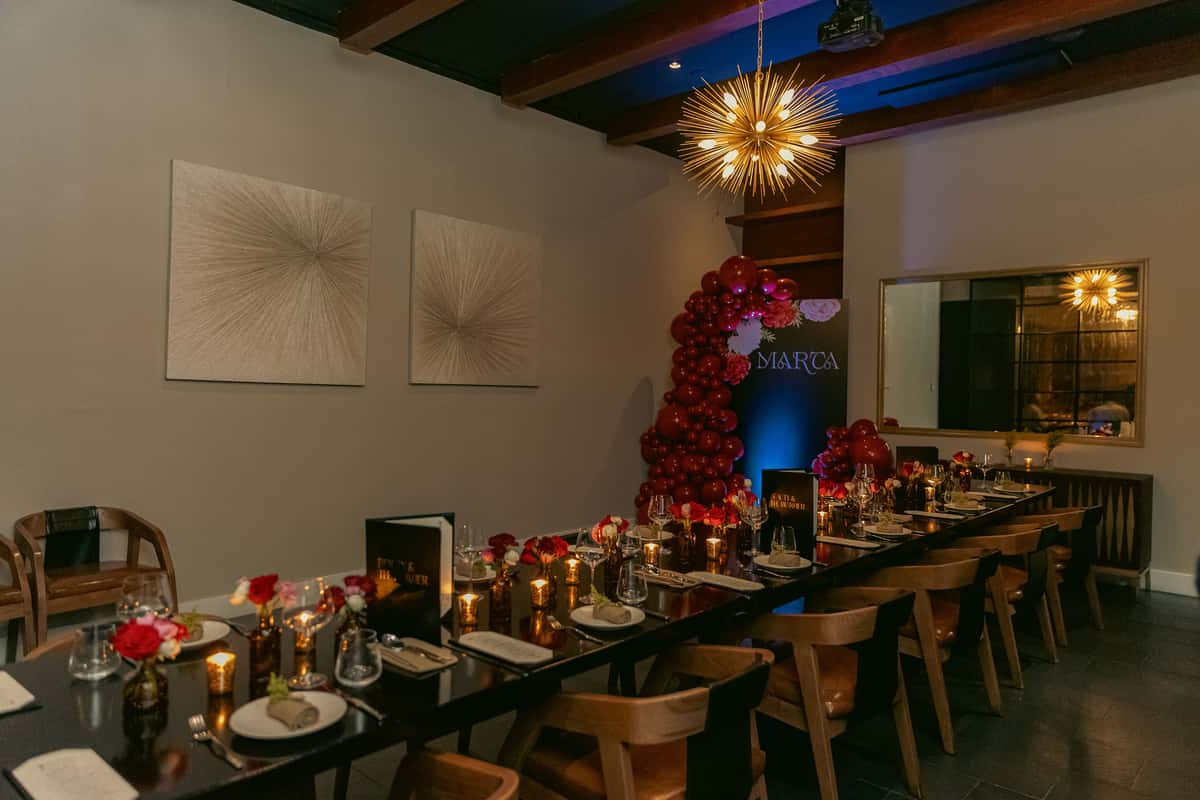
The ambiance of a modern Miami steakhouse differs from its classic counterpart through contemporary design, dynamic lighting, energetic bar programs, and an atmosphere that balances sophistication with warmth. Where classic steakhouses favor dark wood paneling and formal white-linen settings, modern venues use sleek interiors, open layouts, and bar-forward spaces that invite guests to linger. The goal is to feel elevated without feeling stiff, welcoming both celebratory occasions and casual upscale evenings. This shift in design philosophy reflects a broader hospitality trend: fine dining should feel vibrant, not ceremonial.
How Do Modern Miami Steakhouses Approach the Dining Experience?
Modern Miami steakhouses approach the dining experience by prioritizing personalization, culinary storytelling, and an inclusive sense of occasion. The International Trade Administration reports that overseas visitors who experienced fine dining in the United States had an average household income of $104,361, suggesting a potential audience for premium dining rather than establishing the clientele of modern Miami steakhouses. To meet varying diner preferences, some Miami concepts offer rotating seasonal menus, chef-curated tasting progressions, and prix-fixe programs that may broaden dining options without necessarily diluting quality. The best modern steakhouses treat each visit as a complete narrative: from cocktails at the bar through to dessert, every element is considered. This holistic approach is what separates a memorable modern steakhouse from one that simply plates a good cut of beef.
How Do Classic and Modern Miami Steakhouses Compare on Meat Quality?
Both classic and modern Miami steakhouses prioritize USDA Prime beef, but they differ in how they source, age, and prepare their cuts. The sections below cover beef sourcing traditions, dry-aging practices, and what each approach ultimately delivers on the plate.
How Do Classic Steakhouses in Miami Source and Age Their Beef?
Classic steakhouses in Miami source beef graded through USDA standards, which evaluate marbling, maturity, color, and texture, according to Montana State University Extension. According to the USDA, Prime beef comes from young, well-fed cattle with abundant intramuscular fat and performs best under dry-heat methods such as broiling and grilling. Miami's multicultural food history also shaped these kitchens: as WLRN Public Media notes, migration has always driven Miami's culinary identity, bringing diverse grilling traditions from Argentinian, Haitian, and Caribbean communities into the local dining fabric. Classic steakhouses absorbed these influences while anchoring their menus to familiar Prime-grade staples, including ribeye and New York strip.
How Do Modern Steakhouses in Miami Handle Dry-Aging and Premium Cuts?
Modern Miami steakhouses handle dry-aging by storing unpackaged beef at 33 to 36 degrees Fahrenheit, with humidity held between 85 and 90 percent and controlled airflow, as specified by the USDA Agricultural Marketing Service. Research from the University of Nevada, Reno Experiment Station found that dry aging produces lower microbial counts on beef surfaces compared to wet aging, though it also reduces short loin yields. This yield loss is a meaningful trade-off: dry-aging can develop distinct flavors and change texture, but it costs more per usable pound. For diners, that can translate into a more complex, nutty flavor profile that may differ from wet-aged beef.
Which Approach Delivers a Better Steak for Miami Diners?
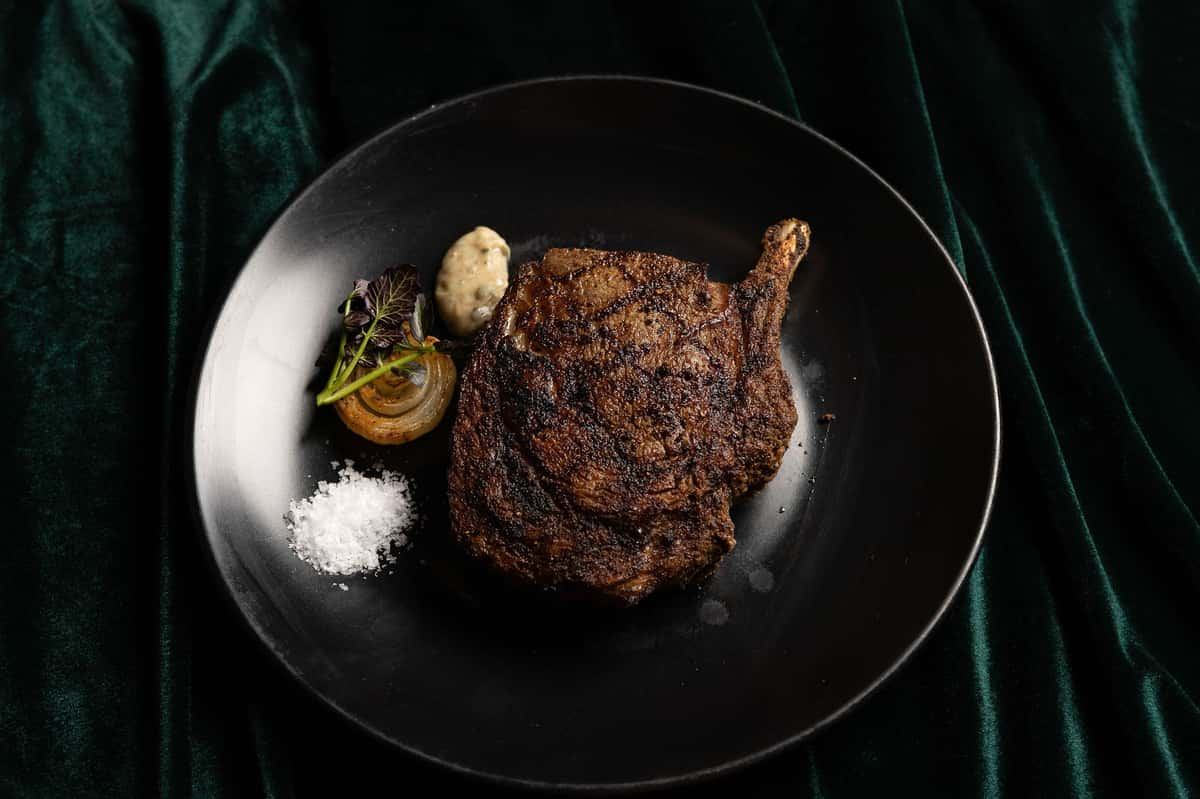
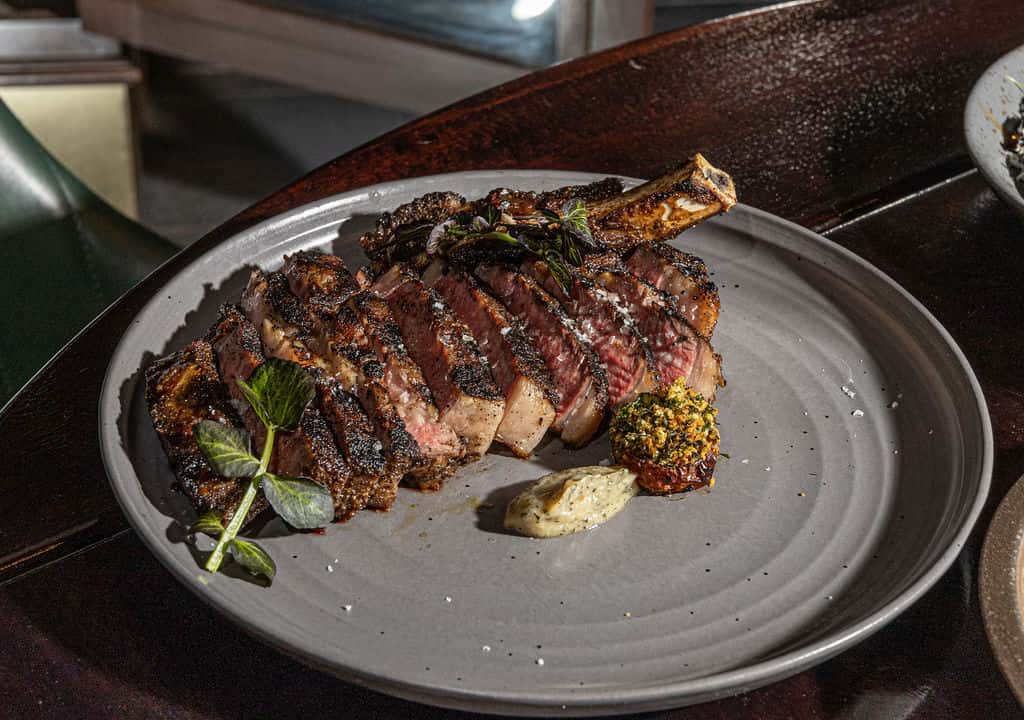
The approach that delivers a better steak for Miami diners depends on what they prioritize: consistency or depth of flavor. Classic steakhouses deliver reliable, well-marbled Prime cuts prepared with proven technique. Modern steakhouses, through dry-aging programs and premium sourcing such as Australian Wagyu alongside domestic cuts, offer a more layered eating experience. For diners focused purely on flavor intensity and craft, dry-aged cuts at a modern steakhouse represent the stronger choice. Beauty and the Butcher in Coral Gables bridges both worlds, combining butchery expertise with dry-aged cuts and Australian Wagyu, making it a standout option for Miami diners who want the best of both traditions.
How Do Menus Beyond the Steak Differ Between Classic and Modern Miami Steakhouses?
Menus beyond the steak differ significantly between classic and modern Miami steakhouses in scope and culinary influence. Classic venues center on familiar American accompaniments, while modern spots layer in seafood programs, globally inspired dishes, and seasonal small plates.
What Seafood and Side Options Appear at Classic Miami Steakhouses?
Seafood and side options at classic Miami steakhouses typically include shellfish staples such as shrimp cocktail, lobster tail, and crab, alongside traditional sides like creamed spinach, baked potatoes, and onion rings. These menus follow a familiar steakhouse template: proteins and sides are ordered separately, allowing diners to build a plate around a central cut. The format is deliberate and predictable, which many classic steakhouse regulars genuinely appreciate. Consistency over creativity defines this approach.
How Do Modern Miami Steakhouses Expand Beyond Traditional Steak Offerings?
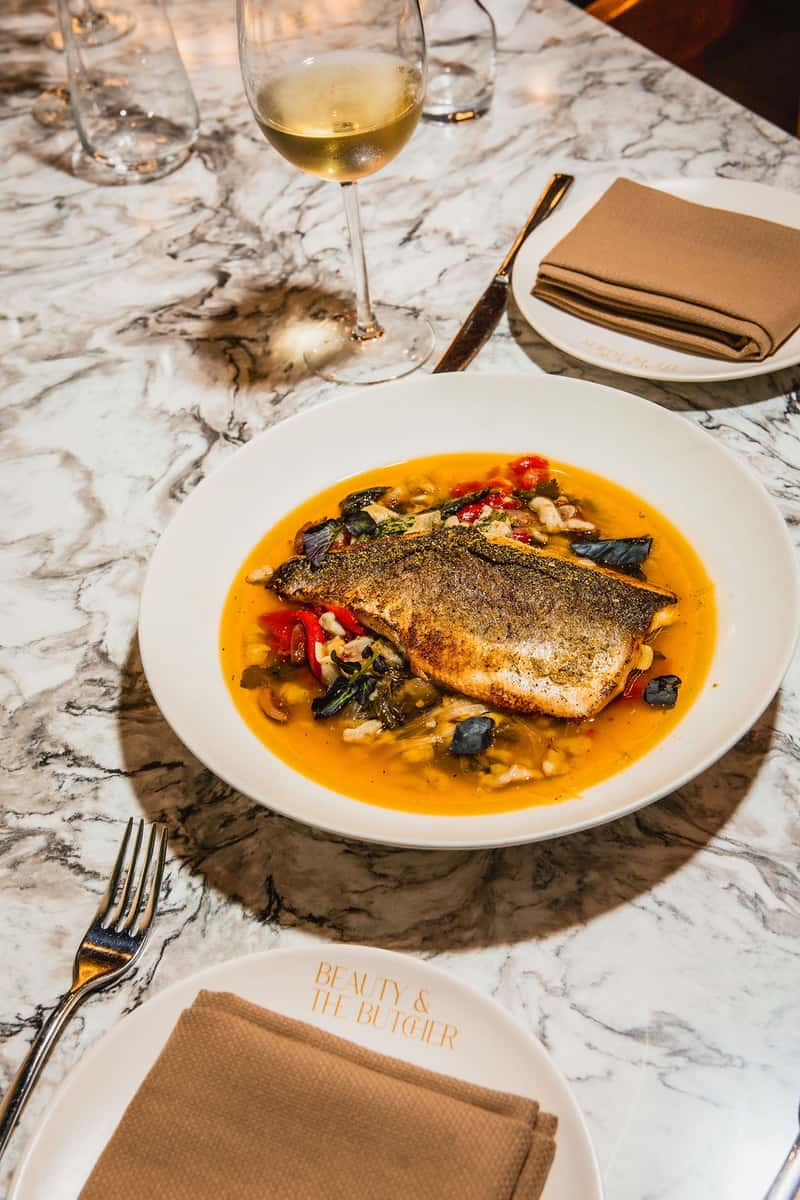
Modern Miami steakhouses expand beyond traditional steak offerings by incorporating raw bars, pastas, globally influenced seafood, and rotating seasonal dishes. According to the James Beard Foundation, Sunny's in Miami, led by chef Aaron Brooks, exemplifies this shift with a menu spanning steaks, pastas, seafood, and raw bar selections sourced from Florida waters and beyond. This broader culinary scope reflects Miami's multicultural dining culture, where diners expect variety and creative range alongside premium proteins. The result is a dining experience where the steak shares billing with equally compelling non-beef options. Beauty and the Butcher embodies this balance through its founding philosophy: the 'Butcher' signals expertly prepared, dry-aged meats, while the 'Beauty' is expressed through meticulously crafted seafood and vegetable preparations that hold equal standing on the menu.
How Do Pricing and Value Compare Between Classic and Modern Miami Steakhouses?
Pricing between classic and modern Miami steakhouses varies by format, menu depth, and dining philosophy. The sections below cover typical meal costs at classic venues, modern venues, and which delivers better value for a special occasion.
What Does a Typical Meal Cost at a Classic Miami Steakhouse?
A typical meal at a classic Miami steakhouse may cost more than many other full-service restaurant meals, although the USDA Economic Research Service's historical data do not establish a current national entrée-price average. Classic steakhouses command higher prices because they center on USDA Prime cuts, tableside service, and formal dining room formats that carry significant overhead. Expect per-person totals, including a steak, sides, and beverages, to run well above that baseline range.
What Does a Typical Meal Cost at a Modern Miami Steakhouse?
A typical meal at a modern Miami steakhouse reflects premium ingredient sourcing, chef-driven menus, and experiential dining formats. Rotating seasonal small plates, dry-aged cuts, and curated cocktail programs can contribute to per-person spending that varies by restaurant and may be comparable to, or higher than, classic steakhouses. However, many modern venues offer structured prix-fixe programs that make the experience more accessible without reducing quality.
Which Offers Better Value for a Special Occasion Dinner in Miami?
Value for a special occasion dinner in Miami depends on what the diner prioritizes: tradition or innovation. Classic steakhouses deliver dependable execution and formal ceremony. Modern steakhouses layer in seasonal creativity, diverse menu options, and atmosphere. Research indexed by the National Library of Medicine found that menu price was the most important of nine evaluated selection criteria for restaurant diners, while the occasion itself influenced selection priorities. For diners who want culinary discovery alongside premium proteins, a modern steakhouse may offer a broader range of dining options.
How Do Classic and Modern Miami Steakhouses Handle Private Dining and Special Occasions?
Classic and modern Miami steakhouses handle private dining differently in terms of space, customization, and service philosophy. The sections below compare which format suits celebration dinners best and how reservation approaches vary.
Which Type of Miami Steakhouse Is Better for a Celebration Dinner?
The type of Miami steakhouse better for a celebration dinner depends on the group size, atmosphere preference, and level of customization needed. Classic steakhouses typically offer formal, seated environments suited to intimate milestone dinners, with attentive tableside service as a core feature. Modern steakhouses tend to provide more flexible configurations, combining private dining rooms with cocktail reception options.
For groups prioritizing a curated, chef-driven experience alongside premium proteins and seasonal menus, modern steakhouses deliver greater menu variety and setting flexibility. That combination makes modern venues particularly well-suited for milestone events where the dining experience itself is part of the occasion.
How Do Reservation and Hospitality Approaches Differ Between the Two?
Reservation and hospitality approaches differ between classic and modern Miami steakhouses in flexibility and technology integration. Classic steakhouses have traditionally operated on fixed reservation windows and formalized service protocols. Modern steakhouses, by contrast, use digital booking systems and offer adaptable scheduling.
According to a Cornell SC Johnson College of Business study, restaurants that allow flexible reservation scheduling can increase revenues by up to 21 percent over those using rigid timing. Modern venues leverage this advantage directly, using platforms like SevenRooms to streamline bookings and personalize the guest experience from first contact through the meal itself. Beauty and the Butcher in Coral Gables uses SevenRooms to manage table reservations, offering guests a straightforward path to securing a table for intimate dinners, with separate inquiries for larger private events.
Who Are Classic Miami Steakhouses Best Suited For?
Classic Miami steakhouses are best suited for diners who prioritize tradition, formality, and time-tested culinary consistency over novelty. This section covers the occasions, guest profiles, and dining preferences that align most naturally with the classic steakhouse format.
What Type of Diner Thrives at a Classic Miami Steakhouse?
The type of diner who thrives at a classic Miami steakhouse values ceremony and predictability in equal measure. These guests typically seek white-tablecloth service, familiar cuts such as ribeye and New York strip, and an atmosphere where the ritual of dining is as important as the meal itself. According to a University of South Florida study on restaurant selection, food quality ranks as the most important attribute consumers evaluate, followed by overall rating, price, service quality, number of online reviews, and atmosphere. Classic steakhouses deliver on all four in a deeply conventional way. For guests who associate a great steakhouse with consistency rather than creativity, the classic format rarely disappoints.
Which Occasions Suit a Classic Miami Steakhouse Best?
The occasions best suited to a classic Miami steakhouse are milestone celebrations, formal business dinners, and multi-generational family gatherings. These settings benefit from structured service, a quieter room, and a menu that requires no explanation. Business diners, in particular, appreciate an environment where the format is understood by everyone at the table, removing the friction that an experimental menu can introduce. Landmark birthdays and anniversaries also fit naturally, since classic steakhouses carry a sense of gravity and occasion that more casual or trend-driven venues may not replicate.
Are Classic Miami Steakhouses a Good Fit for Visitors and Tourists?
Classic Miami steakhouses are a good fit for visitors seeking an anchored, culturally legible dining experience in a city known for culinary diversity. According to VISIT FLORIDA Research, culinary and dining activities rank second among the most popular pursuits for domestic visitors in 2025, at 23%. Tourists who want a reliable, high-quality meal without navigating an unfamiliar concept often find classic steakhouses reassuring. That said, Miami's dining scene rewards exploration, so visitors staying longer than a night or two may find that limiting themselves to the classic format means missing the city's broader culinary identity.
Who Are Modern Miami Steakhouses Best Suited For?
Modern Miami steakhouses suit diners who want premium beef alongside creative menus, contemporary ambiance, and flexible dining occasions, from date nights to group celebrations.
What Type of Diner Chooses a Modern Miami Steakhouse?
The type of diner who chooses a modern Miami steakhouse is one who values culinary innovation as much as the steak itself. These guests typically seek chef-driven menus that pair dry-aged cuts with refined seafood, seasonal small plates, and creative cocktails.The $104,361 figure repeats the earlier claim in Check 10. However, the source describes a national overseas-visitor segment, not a documented customer profile for modern steakhouses. Food enthusiasts, Michelin Guide followers, and Miami's professional community all fit naturally into this audience.
Are Modern Miami Steakhouses Good for Special Occasions?
Modern Miami steakhouses are well suited for special occasions, including birthdays, anniversaries, and corporate dinners. Their combination of sophisticated ambiance, attentive service, and multi-course menus creates the memorable setting that celebratory moments call for. Private dining options and flexible reservation systems add further convenience. In practice, modern steakhouses serve guests who want the occasion itself to feel as elevated as the food on the plate.
Can Visitors and Tourists Enjoy Modern Miami Steakhouses?
Yes, visitors and tourists can enjoy modern Miami steakhouses, and they frequently do. Miami's dining scene draws international travelers, and a modern steakhouse offers them both premium American beef and locally influenced flavors in one experience. VISIT FLORIDA Research found that culinary and dining activities ranked second among the most popular activities for domestic visitors to Florida in 2025 at 23%, indicating that dining is a popular visitor activity statewide.
With diners ranging from local professionals to international travelers, modern Miami steakhouses serve a broad yet discerning audience united by a shared appetite for quality.
How Does Location Within Miami Influence the Classic vs. Modern Steakhouse Experience?
Location within Miami shapes the steakhouse experience by determining the neighborhood culture, clientele expectations, and dining tone a restaurant naturally reflects. A 2021 study published in the National Library of Medicine found that location ranks among the nine key criteria consumers weigh when choosing a restaurant, with menu price and dining occasion also playing decisive roles.
How Does Dining in Coral Gables Shape the Modern Steakhouse Experience?
Dining in Coral Gables shapes the modern steakhouse experience by combining historic architectural prestige with a sophisticated, community-rooted atmosphere. The city carries deep cultural weight: according to the City of Coral Gables, building permits exceeded $25 million by the time the city incorporated on April 29, 1925, signaling the affluent, design-forward character that defines the neighborhood today. That legacy of refinement translates directly into diner expectations, drawing guests who prioritize quality, ambiance, and culinary intention over novelty alone. For a modern steakhouse, Coral Gables offers a natural fit, where an upscale residential and professional community supports chef-driven menus, premium sourcing, and polished service in equal measure. Beauty and the Butcher, located at 6915 Red Road in Coral Gables, is a restaurant associated with Chef Jeremy Ford, whose culinary background and commitment to seasonal, ingredient-focused menus complement the character of the neighborhood it calls home.
How Does a Contemporary American Steakhouse Like Beauty and the Butcher Fit Into the Miami Steakhouse Landscape?
A contemporary American steakhouse like Beauty and the Butcher fits into the Miami steakhouse landscape by bridging classic butchery expertise with modern, chef-driven cuisine. The sections below cover Beauty and the Butcher's dual culinary identity and what both classic and modern steakhouses ultimately offer Miami diners.
How Does Beauty and the Butcher's Dual Culinary Identity Bridge Classic Butchery and Modern Cuisine?
Beauty and the Butcher's dual culinary identity bridges classic butchery and modern cuisine through its name's own philosophy: the "Butcher" signals premium dry-aged cuts and expertly prepared meats, while the "Beauty" reveals itself in refined seafood and vegetable preparations. Chef Jeremy Ford, Top Chef Season 13 winner and Michelin-starred chef, leads a kitchen where Australian Wagyu, dry-aged cuts, and rotating seasonal small plates coexist on the same menu. Located at 6915 Red Road in Coral Gables, the restaurant occupies a space within South Florida's broader culinary legacy. According to South Florida PBS's Legacy on a Plate, iconic South Florida restaurants have built their identities by celebrating people, traditions, and flavors that bring communities together for generations. Beauty and the Butcher earns its place in that tradition precisely because it refuses to be only one thing.
What Do Classic and Modern Miami Steakhouses Ultimately Offer That Diners Should Know?
What classic and modern Miami steakhouses ultimately offer diners are distinct but complementary experiences: classics deliver time-tested tradition, ceremony, and familiar cuts, while modern steakhouses provide chef-driven menus, seasonal creativity, and broader ingredient ranges. Flexibility in how you book and dine also matters. A study by Gary Thompson, professor of service operations research at Cornell's Nolan School of Hotel Administration, found that restaurants offering flexible reservation scheduling can increase revenues by up to 21 percent over those using rigid timing, reflecting how hospitality adaptability shapes the guest experience. Beauty and the Butcher uses SevenRooms for seamless reservations and offers accessible prix-fixe options through the "Taste The Gables" program, making elevated dining available at multiple price points without compromising quality.