
Best Side Dish Recipes to Serve With Scallops
Best Side Dish Recipes to Serve With Scallops
The best side dishes to serve with scallops are those that complement the shellfish's natural sweetness without competing with it. Scallops carry a delicate, subtly sweet flavor profile built around amino acids like glycine and alanine, so the right pairing either mirrors that sweetness, contrasts it with acidity, or adds textural depth.
This guide covers the principles behind great scallop pairings, specific vegetable and starchy sides, light and fresh options, sauce-based accompaniments, grain-based bases, how preparation method should shape your choice, seasonal ingredient guidance, dietary adaptations, and where to experience refined scallop cookery in Coral Gables.
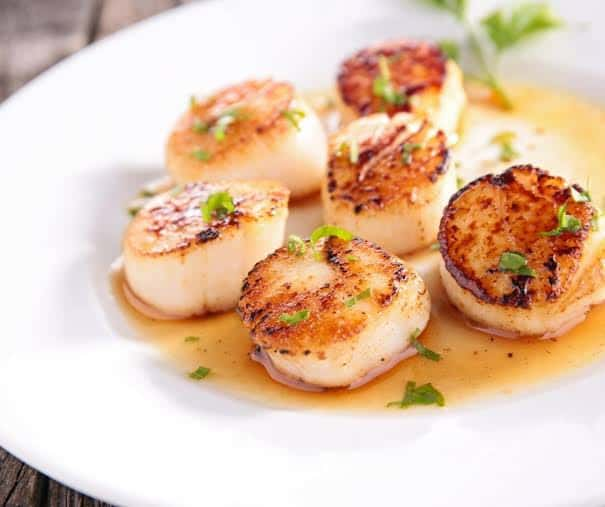
Flavor intensity, cooking method, and texture all determine which sides work. Mild, clean-flavored options like lightly dressed greens and simple grains keep the scallop at the center of the plate, while rich sides like polenta or mashed potatoes provide the anchor a butter-finished sear needs.
Vegetable, starchy, and light sides each serve a different purpose. Asparagus and sautéed spinach offer grassy brightness; risotto, polenta, and mashed potatoes deliver creamy contrast; cucumber salad and citrus slaw bring the acidity that cuts through richness.
Sauce-based and grain-based sides round out the picture. Lemon butter sauce and champagne beurre blanc enhance the scallop's oceanic sweetness, while farro, quinoa, and wild rice introduce earthy texture without heaviness.
Preparation method, season, and dietary needs further refine the choice. Pan-seared scallops call for richer bases; grilled ones pair better with char-friendly sides; and seasonal produce like sweet corn in summer or fennel in winter aligns peak-flavor ingredients with the seafood on the plate.
What Makes a Side Dish Work Well With Scallops?
A great scallop side dish balances the seafood's natural sweetness without overwhelming it. The sections below cover how flavor intensity, cooking method, and texture each shape the ideal pairing.
Does Flavor Intensity Affect Which Sides Pair Best With Scallops?
Flavor intensity does affect which sides pair best with scallops. Scallops carry a delicate, subtly sweet flavor profile, so sides with aggressive seasoning or bold spices tend to compete rather than complement. Mild, clean-flavored sides, such as quinoa, lightly dressed greens, and simple grain preparations, allow the scallop's natural sweetness to stay at the center of the plate. According to the James Beard Foundation, quinoa cooked in boiling salted water for about 10 minutes serves as an ideal neutral base alongside scallops prepared with garlic, lemon, and butter. Sides that share mild umami or citrus notes create the most coherent bite.
Does Cooking Method Change Which Sides Complement Scallops?
Cooking method does change which sides complement scallops best. According to the University of Maine Cooperative Extension, conventional cooking methods such as pan-searing, baking, and grilling increase susceptibility to overcooking scallops, which can result in a tough, chewy, and rubbery mouthfeel. Pan-seared scallops develop a caramelized crust and concentrated flavor, pairing well with rich sides like corn polenta, which brings a cozy seasonal richness that complements their delicate interior. Baked or broiled scallops have a softer finish and work better alongside lighter sides such as herb salads or simple grain bases.
Does Texture Play a Role in Choosing the Right Side for Scallops?
Texture does play a role in choosing the right side for scallops. Scallops have a tender, silky texture, so pairing them with sides that offer contrast improves the overall eating experience. Creamy risotto provides a smooth counterpoint, while crusty bread adds a crunchy element that offsets the softness of the scallop. Starchy sides like garlicky mashed potatoes, made with Yukon gold or Russet varieties, deliver a dense, pillowy texture that anchors the plate without competing with the scallop's delicate bite.
What Are the Best Vegetable Sides to Serve With Scallops?
The best vegetable sides to serve with scallops are asparagus, roasted cherry tomatoes, sautéed spinach, roasted cauliflower, and corn. Each brings a distinct flavor profile and texture that complements scallops without overpowering them.
What Makes Asparagus a Good Vegetable Side for Scallops?
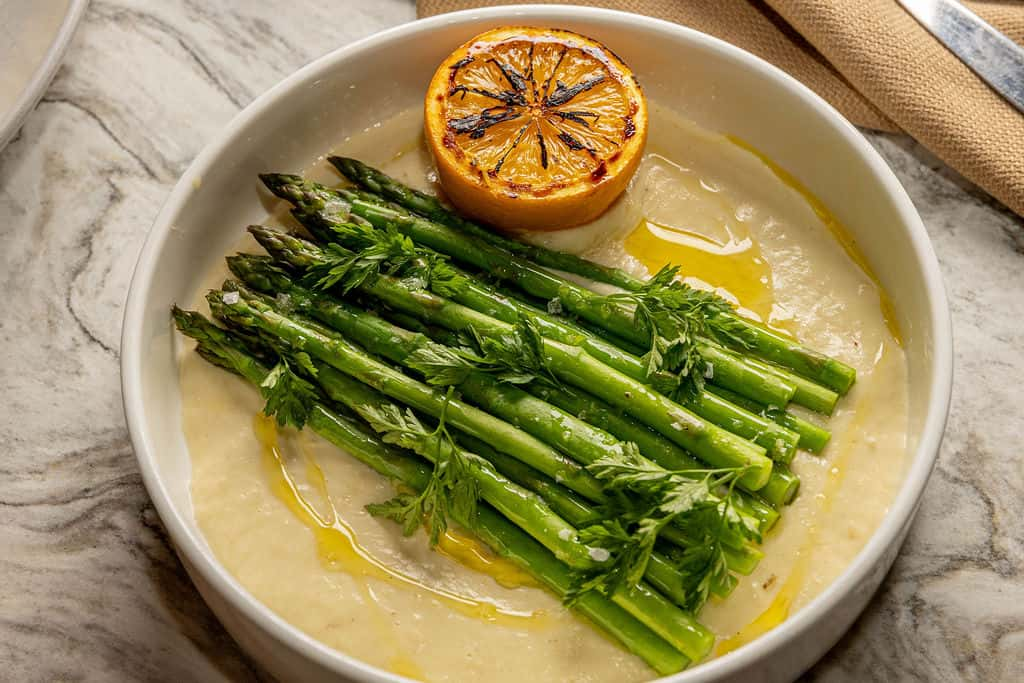
Asparagus is a good vegetable side for scallops because its grassy, slightly bitter flavor contrasts cleanly with scallops' natural sweetness. According to North Dakota State University Extension, asparagus contains asparagusic acid, which the body breaks down into sulfur-containing compounds associated with the distinctive odor of urine after eating asparagus. A simple preparation works best: rinse and trim the ends, drizzle with olive oil, and grill on a perforated pan. That brightness stands up to a seared scallop without competing with it.
What Makes Roasted Cherry Tomatoes Work With Scallops?
Roasted cherry tomatoes work with scallops because roasting concentrates their natural acidity and sweetness, creating a flavor bridge to the scallop's umami profile. Research published in Frontiers in Nutrition found that roasted scallops contain elevated levels of sweet amino acids, including glycine and alanine, which are the main sources of shellfish sweetness. A roasted tomato's caramelized tang mirrors and amplifies that sweetness rather than clashing with it. High heat and a drizzle of olive oil are all you need.
What Makes Sautéed Spinach a Classic Pairing for Scallops?
Sautéed spinach is a classic pairing for scallops because it is light, fast-cooking, and neutral enough to frame the scallop rather than compete with it. A recipe from the University of Michigan's MHealthy program calls for 5 ounces of fresh spinach wilted for 2 to 3 minutes, drained, then tossed with sautéed olive oil, garlic, sliced scallions, and balsamic vinegar. That balsamic note adds just enough acidity to cut through any richness from the pan sear. The result is a side that is genuinely elegant in its simplicity.
What Makes Roasted Cauliflower a Smart Side for Scallops?
Roasted cauliflower is a smart side for scallops because high-heat roasting produces deep caramelization that adds nutty, savory complexity to an otherwise mild vegetable. That roasted depth creates a textural and flavor contrast with a tender, delicately seared scallop. Seasoning with olive oil, salt, and a touch of smoked paprika or cumin keeps the preparation simple while adding aromatic dimension. Cauliflower is also low in carbohydrates, which suits diners who want a lighter plate.
What Makes Corn a Popular Vegetable Side to Serve With Scallops?
Corn is a popular vegetable side to serve with scallops because its natural sweetness echoes the sweet amino acid profile of the scallop itself. N.C. Cooperative Extension notes that corn on the cob cooks in just 5 minutes in boiling water, then finishes with butter, salt, and pepper for a straightforward summer side. For a more composed preparation, corn cut from the cob works well in a warm salad dressed with shallots, diced Meyer lemon, and extra-virgin olive oil. Fresh corn is a seasonal highlight that pairs especially well with simply seared scallops during summer months.
What Are the Best Starchy Sides to Serve With Scallops?
The best starchy sides to serve with scallops include creamy risotto, pasta, crusty bread, polenta, and mashed potatoes. Each option offers a distinct texture and flavor base that complements scallops without overpowering their natural sweetness.
What Makes Creamy Risotto One of the Top Starchy Sides for Scallops?
Creamy risotto is one of the top starchy sides for scallops because its silky, starch-rich base mirrors the buttery tenderness of the seafood. According to PBS Food's seafood risotto recipe, turning off the heat after all the stock has been absorbed is a step that helps produce creamy, restaurant-style risotto. The gradual release of starch from Arborio rice creates a sauce-like consistency that coats each scallop without masking its flavor. Adding white wine, shallots, or parmesan deepens the savory profile. For an elevated finish, sear scallops separately and place them directly on top just before serving.
What Makes Pasta a Reliable Starchy Base to Serve Alongside Scallops?
Pasta is a reliable starchy base for scallops because its neutral flavor absorbs surrounding sauces while providing a satisfying texture. Florida Sea Grant's bay scallop pasta recipe combines 8 oz. dry pasta with butter, white wine, minced garlic, lemon juice, olive oil, and feta cheese. The process is straightforward: boil and prepare pasta to package instructions, sear scallops separately, then combine both with the sauce and feta and serve immediately. Linguine and spaghetti are particularly well-suited, as their long strands wrap around the scallops and sauce evenly.
What Makes Crusty Bread or Crostini a Simple Starch Pairing for Scallops?
Crusty bread and crostini are simple starch pairings for scallops because they soak up flavorful pan juices and sauces that would otherwise go to waste on the plate. The YMCA of Greater Seattle's seared scallop recipe specifically tips: serve with slices of crusty bread to mop up the juices. Crostini adds a crunchy textural contrast to tender scallops, making it especially effective as a base for bite-sized presentations. This pairing works best with butter-based or wine-reduced sauces that benefit from something to carry them.
What Makes Polenta a Worthy Starchy Side for Pan-Seared Scallops?
Polenta is a worthy starchy side for pan-seared scallops because its coarse corn texture and mild sweetness complement the caramelized crust a good sear produces. The American Gas Association notes that corn polenta brings a cozy seasonal richness that complements the delicate scallops beautifully. Served soft and creamy, polenta acts much like risotto, providing a lush, spoonable base. Finished with butter, parmesan, or herbs, it elevates the plate without competing with the scallop's natural flavor. It is especially well-suited to fall and winter menus.
What Makes Mashed Potatoes a Crowd-Pleasing Starchy Side With Scallops?
Mashed potatoes are a crowd-pleasing starchy side with scallops because they offer a smooth, rich foundation that pairs well with both simple and sauce-forward scallop preparations. According to a Veterans Health Administration recipe, a reliable base uses 2 pounds of unpeeled potatoes (Russet, red, or Yukon Gold), half-and-half, minced garlic, and a tablespoon of lemon juice or vinegar for brightness. Russet and Yukon Gold varieties mash completely smooth, while red potatoes retain more texture. Adding lemon juice is an underrated move here: the acidity lifts the richness and echoes the citrus notes often used to finish scallops.
What Are the Best Light and Fresh Sides to Serve With Scallops?
The best light and fresh sides to serve with scallops are simple green salads, cucumber salads, citrus slaws, and fennel salads. Each option balances the delicate flavor of scallops without overpowering them.
What Makes a Simple Green Salad One of the Best Light Sides for Scallops?
A simple green salad is one of the best light sides for scallops because its crisp texture and herbaceous dressing contrast cleanly with the rich, tender bite of seared scallops. According to the Maryland State Archives, the light flavor and soft texture of scallop meat make scallops a natural addition to salads. BBC Food's spring green salad recipe demonstrates this pairing well, combining dill, chives, mint, wholegrain mustard, lemon juice, and honey in a blended herb dressing that complements rather than competes with seafood. The key is keeping the greens lightly dressed and the flavors bright.
What Makes Cucumber Salad a Refreshing Pairing for Scallops?
Cucumber salad is a refreshing pairing for scallops because cucumber's high water content and mild, cooling flavor provide a counterpoint to the caramelized, savory crust of a pan-seared scallop. A thin-sliced cucumber tossed with rice vinegar, fresh dill, and a pinch of sea salt keeps the side airy and palate-cleansing between bites. This simplicity makes cucumber salad especially effective when scallops are served with a rich butter-based sauce nearby.
What Makes a Citrus Slaw a Bright Side Dish Choice for Scallops?
Citrus slaw is a bright side dish choice for scallops because its acidity cuts through the natural sweetness of the scallop's amino acid profile. Shredded cabbage dressed with fresh orange or lime juice, a touch of olive oil, and chopped cilantro delivers both crunch and brightness. The textural contrast between crisp slaw and soft scallop is part of its appeal, making it one of the more well-rounded light sides available for this protein.
What Makes Fennel Salad a Sophisticated Light Side for Scallops?
Fennel salad is a sophisticated light side for scallops because shaved raw fennel carries a subtle anise note that pairs naturally with seafood without introducing competing umami. Thinly sliced fennel dressed with Meyer lemon juice, shallot, and extra-virgin olive oil creates a clean, layered flavor profile. The Splendid Table highlights this style of Meyer lemon dressing, combining diced shallot macerated with lemon and salt before adding olive oil, as a particularly harmonious match for raw fish crudo and salads. Fennel salad is worth reaching for when the goal is elegance over comfort.
What Are the Best Sauce-Based Sides to Serve With Scallops?
The best sauce-based sides to serve with scallops include lemon butter sauce, champagne beurre blanc, miso glaze, and pea purée. Each option enhances scallops differently, from bright citrus acidity to umami depth and silky texture.
What Makes a Lemon Butter Sauce a Go-To Accompaniment for Scallops?
Lemon butter sauce is a go-to accompaniment for scallops because it balances richness with bright acidity, complementing the shellfish's natural sweetness without overpowering it. The technique matters: building the sauce over low heat, adding cold butter cubes gradually while whisking constantly, creates a stable emulsion. According to a North Carolina Sea Grant recipe, a classic version combines melted butter, fresh lemon juice, zest, white pepper, and fresh tarragon, kept warm but not further cooked. For a complete dish, Florida Sea Grant pairs seared scallops in a lemon butter sauce with pasta, garlic, white wine, and feta cheese.
What Makes a Champagne Beurre Blanc a Refined Sauce Side for Scallops?
Champagne beurre blanc is a refined sauce side for scallops because its delicate wine acidity and creamy butter emulsion echo the scallop's subtle oceanic sweetness without competing with it. According to the Culinary Institute of America, beurre blanc is a classic French sauce made creamy through emulsification of fat and liquid, and the key to preventing it from breaking is patience and consistently moderate heat. The base typically includes reduced white wine, shallots, and cold butter whisked in gradually. Beurre blanc rewards careful execution, and for scallops specifically, the result is one of the most elegant sauce pairings in French-influenced seafood cookery.
What Makes a Miso Glaze a Flavorful Sauce Pairing for Scallops?
Miso glaze is a flavorful sauce pairing for scallops because it delivers concentrated umami depth that contrasts the shellfish's natural sweetness. A standard preparation combines white soybean miso paste, tamari soy sauce, light brown sugar, rice vinegar, garlic, ginger, and star anise, simmered for about 15 minutes then strained. The result is a glossy, savory-sweet lacquer that caramelizes beautifully against a seared scallop crust.
What Makes a Pea Purée a Smooth and Elegant Side for Scallops?
Pea purée is a smooth and elegant side for scallops because its velvety texture and mild sweetness provide a soft contrast to the firm, seared exterior of the shellfish. Blended until completely smooth and seasoned simply, purée acts as a composed base that anchors the scallop on the plate without introducing competing flavors. Its vibrant green color also adds visual contrast, making it a favorite in restaurant-style plating. For best results, strain the purée through a fine-mesh sieve for the cleanest, most refined finish.
What Are the Best Grain-Based Sides to Serve With Scallops?
The best grain-based sides to serve with scallops are farro, quinoa, and wild rice. Each grain offers a distinct texture and flavor profile that complements scallops without competing with their natural sweetness.
What Makes Farro a Hearty Grain Side That Works With Scallops?
Farro is a chewy, nutty ancient wheat grain that provides structural contrast to the tender, delicate texture of seared scallops. Its earthiness grounds the plate, while its firm bite prevents the pairing from feeling one-dimensional. Scallops are among the five seafood types most commonly described as local in the restaurant-menu sample analyzed in a 2024 Gulf of Maine Research Institute report, making them a possible choice for grain-forward dishes that highlight seasonal, ingredient-focused cooking. Farro absorbs herbs, citrus, and light vinaigrettes well, giving it real versatility as a base or side component.
What Makes Quinoa a Protein-Friendly Grain Pairing for Scallops?
Quinoa is a complete protein grain that pairs with scallops without adding heaviness to the plate. The James Beard Foundation features a recipe pairing scallops directly with quinoa cooked in boiling salted water for about 10 minutes, then finished in a garlic, lemon, and butter sauce. That combination works because quinoa's mild, slightly grassy flavor stays neutral enough to let the scallop's sweetness lead. For diners following high-protein eating patterns, this pairing delivers on both nutrition and flavor.
What Makes Wild Rice a Nutty, Textured Side for Scallops?
Wild rice is a long-grain aquatic seed with a pronounced nutty flavor and firm, slightly chewy texture that contrasts beautifully with soft, pan-seared scallops. Its dark color also creates visual contrast on the plate, adding presentation value. Unlike white rice, wild rice holds its structure even when dressed with butter or light sauces, making it a reliable anchor for scallop presentations. It pairs especially well with mushroom-forward or herb-infused preparations where its earthy notes can reinforce the flavor direction of the dish.
How Should You Adjust Side Dishes Based on How Scallops Are Prepared?
Side dish selection should shift based on how scallops are cooked, since each method produces a distinct flavor intensity and texture. The H3s below cover pan-searing, grilling, raw or ceviche-style, and baked or broiled preparations.
Which Sides Work Best When Scallops Are Pan-Seared?
The sides that work best when scallops are pan-seared are rich, creamy, or starchy options that complement the deep caramelized crust the method creates. Creamy polenta, mashed potatoes, and risotto all provide a smooth base that absorbs the fond-rich butter pan sauce typically served alongside seared scallops. Wilted spinach or sautéed greens add a light contrast without competing with the crust's savory depth. According to the University of Maine Cooperative Extension, conventional cooking methods like pan-searing can result in a tough, chewy texture if scallops are overcooked, so pairing with a soft, yielding side balances that textural risk beautifully.
Which Sides Work Best When Scallops Are Grilled?
The sides that work best when scallops are grilled are those with char-friendly flavors and enough body to hold their own alongside smokiness. Grilled asparagus, corn on the cob, and citrus slaws all share the grill's intensity without feeling redundant. Because grilling adds a smoky, slightly bitter edge, acidic sides such as fennel salad or a lemon vinaigrette green salad provide essential brightness. Corn is a particularly natural partner; it thrives on the same heat and mirrors the scallop's natural sweetness.
Which Sides Work Best When Scallops Are Served Raw or Ceviche-Style?
The sides that work best when scallops are served raw or ceviche-style are light, acidic, and herb-forward preparations that do not overwhelm delicate, uncooked seafood. Cucumber salad, citrus slaw with shaved fennel, and simple green salads dressed with lemon and fresh herbs are ideal because they echo the bright, clean flavors of the marinade. Starchy or creamy sides would dampen the freshness that defines ceviche-style service. Textural contrast matters most here; crisp, cool sides sharpen every bite of silky raw scallop.
Which Sides Work Best When Scallops Are Baked or Broiled?
The sides that work best when scallops are baked or broiled are grain-based or sauce-forward options that complement gentle, even heat. Quinoa, wild rice, and farro absorb the light pan juices that baking produces without overshadowing the scallop's mild sweetness. A champagne beurre blanc or lemon butter sauce served alongside adds the richness that baking alone does not create. The FDA notes that scallops reach safe doneness at an internal temperature of 145°F, when the flesh turns firm and opaque, which is a useful benchmark for timing both the protein and its accompanying sides together.
What Seasonal Ingredients Improve Side Dishes Served With Scallops?
Seasonal ingredients improve side dishes served with scallops by aligning peak-flavor produce with the scallop's natural sweetness. The H3s below cover spring and summer options, then fall and winter alternatives.
Which Spring and Summer Ingredients Elevate Scallop Side Dishes?
The spring and summer ingredients that elevate scallop side dishes include asparagus, sweet corn, and fresh spinach. Asparagus peaks from May through early June, sweet corn runs mid-July through mid-October, and spinach is at its best from May through early July, according to Penn State Extension's Harvest Calendar. These vegetables share a mild, clean flavor profile that complements scallops without competing with their delicate sweetness. Florida diners have a regional advantage: according to the Florida Fish and Wildlife Conservation Commission, bay scallops inhabit nearshore seagrass beds along portions of Florida's Gulf Coast, although local harvesting seasons and restaurant availability vary.
Which Fall and Winter Ingredients Complement Scallops Best?
The fall and winter ingredients that complement scallops best include pumpkin, fennel, and citrus. Pumpkins peak in September and October, offering earthy sweetness that grounds a rich scallop plate. Meyer lemons, available through winter, add bright acidity that cuts through butter-based preparations without overwhelming the seafood. Roasted root vegetables and corn polenta also perform well in colder months, providing the kind of cozy, starchy richness that balances pan-seared scallops served during fall and winter menus.
How Do Dietary Preferences Shape Which Sides You Serve With Scallops?
Dietary preferences directly shape which sides pair well with scallops. According to the 2024 IFIC Food & Health Survey, 54% of Americans reported following a specific eating pattern or diet in the preceding year, with high-protein, mindful eating, and intermittent fasting among the most common. The following H3s address each.
Which Scallop Side Dishes Work Best for a Gluten-Free Diet?
The scallop side dishes that work best for a gluten-free diet are naturally grain-free options such as roasted asparagus, sautéed spinach, cauliflower, and simple green salads. These vegetables contain no gluten and pair cleanly with pan-seared scallops. Quinoa is also a strong gluten-free grain alternative, as it is inherently wheat-free. Risotto made with certified gluten-free stock qualifies as well. Avoid pasta, crusty bread, and crostini, as these typically contain wheat.
Which Scallop Side Dishes Work Best for a Low-Carb or Keto Diet?
The scallop side dishes that work best for a low-carb or keto diet are non-starchy vegetables and sauce-based accompaniments, such as sautéed spinach, roasted asparagus, cauliflower, and small portions of pea purée if carbohydrate limits allow. These sides keep net carbohydrates low while complementing scallops' mild sweetness. Lemon butter sauce and beurre blanc are both keto-compatible, as they rely on butter and wine rather than thickening starches. Avoid risotto, pasta, polenta, and mashed potatoes, which are high in carbohydrates.
Which Scallop Side Dishes Work Best for a Dairy-Free Preference?
The scallop side dishes that work best for a dairy-free preference are vegetable-forward options dressed with olive oil, such as roasted asparagus, wilted spinach with balsamic vinegar, fennel salad, and citrus slaw. These preparations use no butter or cream. Quinoa with a lemon-garlic dressing and miso glaze are also dairy-free and pair well with scallops. Sides to avoid include creamy risotto, lemon butter sauce, beurre blanc, and mashed potatoes made with half-and-half, all of which rely on dairy.
Where Can You Experience Refined Seafood and Seasonal Sides in Coral Gables?
Coral Gables offers discerning diners a refined setting for seafood and seasonal sides. Beauty & the Butcher stands out as a destination for this experience, earning recognition in the Michelin Guide alongside its chef-driven philosophy.
Does Beauty and the Butcher Serve Refined Seafood Dishes Like Scallops With Seasonal Small Plates?
Yes, Beauty & the Butcher serves refined seafood dishes alongside rotating seasonal small plates, reflecting the "Beauty" side of its culinary philosophy. The restaurant, part of Grove Bay Hospitality Group, was opened by Top Chef Season 13 winner Chef Jeremy Ford and has earned a spot on the Michelin Guide's Miami recommendations. For safe home preparation, according to the FDA, most seafood should be cooked to an internal temperature of 145°F, while properly cooked scallops become firm, pearly, and opaque. Beauty & the Butcher's seasonal small plates change with the market, pairing delicate seafood with fresh, ingredient-driven sides in a warm, contemporary setting at 6915 Red Road.
What Are the Key Takeaways About the Best Side Dish Recipes to Serve With Scallops?
The key takeaways about the best side dish recipes to serve with scallops center on balance, texture, and seasonality. Light vegetable sides such as sautéed spinach and asparagus complement scallops without overwhelming their natural sweetness. Starchy sides such as creamy risotto, mashed potatoes, and polenta add satisfying texture contrast. Sauce-based accompaniments such as lemon butter and beurre blanc enhance the seafood's delicate flavor. A miso-based glaze, built by combining ingredients in a saucepan, boiling to dissolve the sugar, simmering for 15 minutes, then straining and cooling, adds an umami-forward dimension. Matching your side to the scallop's preparation method and the season produces the most cohesive, memorable plate.